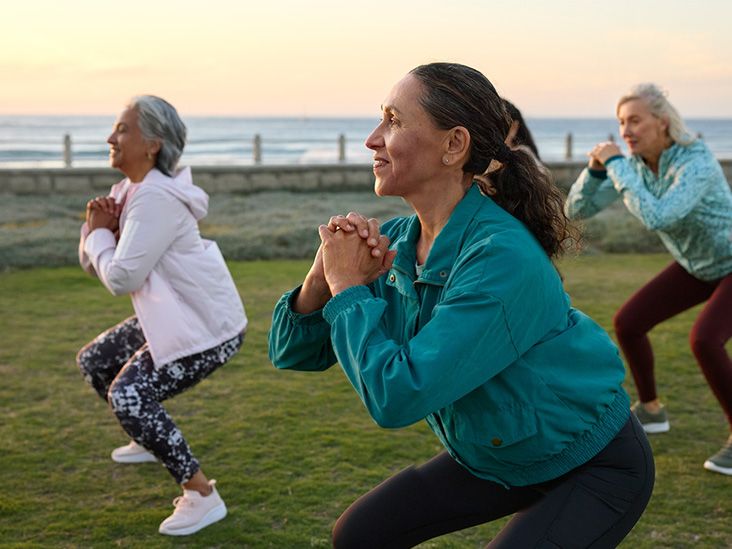
New guidelines say consistency beats complexity.
͏ ͏ ͏ ͏ ͏ ͏ ͏ ͏ ͏ ͏ ͏ ͏ ͏ ͏ ͏ ͏ ͏ ͏ ͏ ͏ ͏ ͏ ͏ ͏ ͏ ͏ ͏ ͏ ͏ ͏ ͏ ͏ ͏ ͏ ͏ ͏ ͏
| |
|
|
| The American College of Sports Medicine (ACSM) updated its strength training guidelines for the first time in 17 years. After reviewing 137 studies and more than 30,000 people, the message got simpler: just do it regularly. |
| Bodyweight, bands, and home workouts all produce real results when done consistently. You don’t need to push yourself to failure, and what equipment you use doesn’t matter too much. Power training stands out. The ability to move quickly declines faster than strength with age, and simple explosive movements can slow that down. |
| Plus, we’re watching certified trainer Dr. Maria Luque walk through a resistance band routine you can do in your living room. |
|
|
|
|
|
|
Let’s make a start,
Tim Snaith
Newsletter Editor, Healthline |
 |
|
Written by Tim Snaith
April 1, 2026 • 3 min read |
|
| |
|
|
|
|
| |
 |
|
|
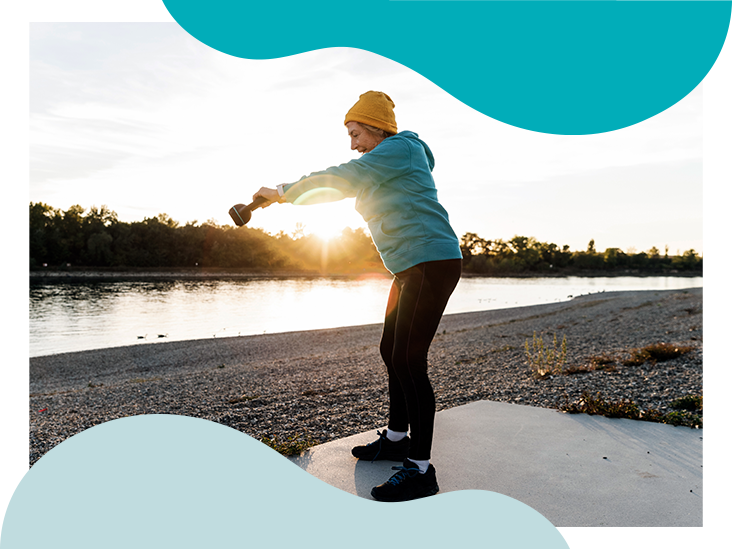
| New strength training guidelines are refreshingly simple |
| I invested in a home gym machine about 10 years ago. It lived in my garage, which meant I had to walk out there in whatever weather and train in an unheated (or overheated) strip-lit box, with only spiders and garage clutter to motivate me. By the time we moved out of the house, I hadn’t bothered in a year or more. |
| A few months ago, I set up the whole thing in my living room. Maybe it looks a little out of place, but I don’t care and use it almost every day now because it’s right where I need it. |
| Turns out the ACSM would approve. They just published their first major update to their resistance training guidelines in 17 years, and the main finding is simple: the single biggest factor in strength training results isn’t your equipment, your program, or how hard you push on any given set. It’s whether you keep showing up. |
| The 2009 version of these guidelines listed specific equipment types, progression models, and different routines for beginners and advanced lifters. That precision may have helped trainers design programs, but it also created a barrier. If you didn’t have the right setup or the right knowledge, it was easy to feel like you were doing it wrong. |
| For the new guidelines, researchers reviewed 137 systematic studies covering more than 30,000 people and rated the evidence using standardized methods instead of expert opinion. They found that bodyweight exercises, resistance bands, and home-based routines all produced meaningful improvements in strength, muscle size, and physical function. |
| Several popular training beliefs also took a hit. Training to muscle failure — that burning, can’t-do-another-rep feeling — isn’t necessary for strength or muscle gains. Machines and free weights produce comparable results. And beginners don’t need a fundamentally different program than people who’ve been lifting for years. The basics work for everyone. |
| For building strength, the strongest gains came from heavier weights (around 80% of the maximum you can move) done in 2 to 3 sets, at least twice a week. For muscle size, total weekly volume mattered more than how heavy you lifted. For stuff like walking speed, balance, and getting out of a chair, any consistent resistance training helped. |
| One finding deserves extra attention, especially for readers in their 50s, 60s, and beyond. Muscular power — the ability to move quickly and forcefully — declines faster than strength as we age, starting in our 30s and accelerating from there. |
| This is what allows you to catch yourself when you trip, makes stairs manageable, and keeps you independent. The guidelines found that moderate weights moved explosively (think faster reps, medicine ball tosses, or brisk step-ups) can help preserve your power. |
| Summing up: |
- Train your major muscle groups at least twice a week.
- Use whatever equipment you have or enjoy.
- Progress gradually.
- Don’t skip weeks.
|
| Or, in my case: Move the gym closer to the couch. |
|
|
| ☕ Over to you: What’s stopping you from getting the exercise you feel you need? Email us at wellnesswire@healthline.com to share your experience with us. |
| |
|
|
| |
 |
|
|
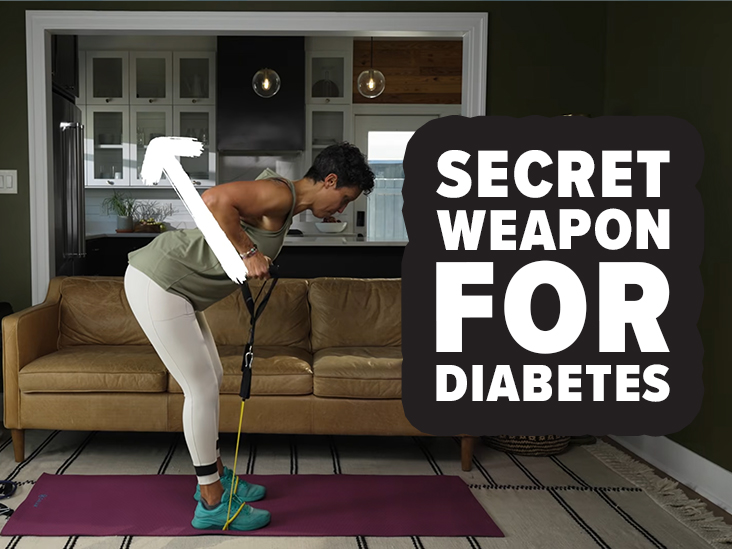
| The Best Exercise for Diabetes Nobody’s Talking About |
| Certified personal trainer Dr. Maria Luque walks through a resistance band routine designed for people managing diabetes or prediabetes, but the movements are useful for anyone building a home strength practice. It’s a practical demo that reinforces what the new ACSM guidelines found: bands work, home workouts work, and you don’t need a complicated setup to get meaningful results. |
|
|
| |
|
|
|
|
  |
| |
| |
| |
| Until next time, |
 |
Take care of yourself, and we’ll see
you again soon! |
| |
 |
| |
 |
| This edition was powered by |
| a solid night’s sleep. |
| |
|
|
|
|
|
View in browser
Did a friend send you this email? Subscribe here.
To see all newsletters, click here.
Privacy | Unsubscribe
We may feature your messages to our inbox within our content. Please do not provide any personal identifiable information. Replies may be edited for length and clarity. For more, see our Privacy Policy.
Our website services, content, and products are for informational purposes only. Healthline does not provide medical advice, diagnosis, or treatment and should not be used as a substitute for medical advice from a healthcare professional. Healthline encourages you to make any treatment decisions with your healthcare professional.
Every product we recommend has gone through either Healthline’s or Optum Now’s vetting processes. If you buy through links on this page, we may receive a small commission or other tangible benefit. Healthline has sole editorial control over this newsletter. Potential uses for the products listed here are not health claims made by the manufacturers. Healthline and Optum Now are owned by RVO Health.
© 2026 RVO Health
1101 Red Ventures Drive
Fort Mill, SC 29707 |
| |
|
|
  |
|
|
|
|