It’s high protein, too.


͏ ͏ ͏ ͏ ͏ ͏ ͏ ͏ ͏ ͏ ͏ ͏ ͏ ͏ ͏ ͏ ͏ ͏ ͏ ͏ ͏ ͏ ͏ ͏ ͏ ͏ ͏ ͏ ͏ ͏ ͏ ͏ ͏ ͏ ͏ ͏ ͏ ͏
|
|
| Deciding what to make for dinner is always difficult, but I find it even harder in the summer. Dinner is usually my heartiest meal of the day, so I often find myself tending toward richer foods. While there’s absolutely nothing wrong with that, with the warmer weather coming in, you may want something on the lighter side. Today’s recipe is satisfying without being too heavy — the perfect combination for summer! |
|
|
|
|
|
|
Forks up,
Sarah Choi
Newsletter Editor, Healthline |
 |
|
Written by Sarah Choi
May 31, 2026 • 2 min read |
|
|
|
|
 |
|
|
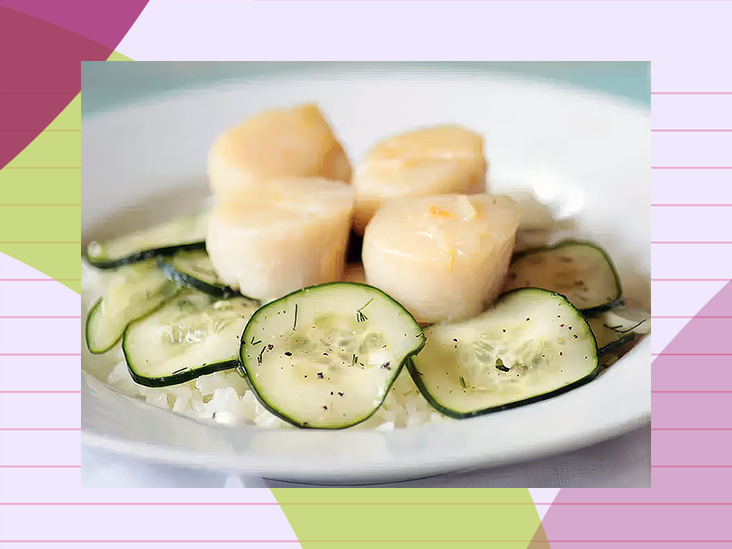
| Seared scallops with dilled orzo and cucumber salad |
| I don’t know about you, but my meals usually feel like going back and forth between chicken and ground beef (and maybe the occasional salmon). Summer is a great season to branch out with your proteins, and what better pick than these garlic butter seared scallops? |
| Scallops are high in protein. In this recipe, each serving contains over 50 grams. Consuming a high protein diet may aid weight loss, help you increase your muscle mass, and improve your physical performance when working out. Scallops are also rich in omega-3 fatty acids. These compounds offer numerous benefits, including protection against heart disease and support for eye, bone, and joint health.. |
| Add the cucumbers, herbs, fresh-squeezed lemon, and a few other seasonal ingredients, and you’ve got yourself a refreshing summer dinner in under 20 minutes!. |
|
|
| 🧑🍳 Over to you: What kinds of recipes do you want to see? Email nutritionedition@healthline.com to let us know! |
|
|
|
|
|
|
|
| What we’re digesting |
| 💊 Side effects of Rezdiffra. Here are the most common ones and the more serious ones. |
| 💻 Where to find MS support online. The top 10 most active sites for people living with multiple sclerosis. |
| 💭 Which type of sleep apnea test is right for you? Plus, what the results mean. |
| 🧮 What is a calorie deficit? And how much of one is healthy? |
|
| Until next time, |
 |
Take care of yourself, and we’ll see
you again soon! |
|
|
| |
 |
| This edition was powered by |
| multigrain crackers. ️ |
|
|
|
|
|
|
View in browser
Did a friend send you this email? Subscribe here.
To see all newsletters, click here.
Privacy | Unsubscribe
We may feature your messages to our inbox within our content. Please do not provide any personal identifiable information. Replies may be edited for length and clarity. For more, see our Privacy Policy.
Our website services, content, and products are for informational purposes only. Healthline does not provide medical advice, diagnosis, or treatment and should not be used as a substitute for medical advice from a healthcare professional. Healthline encourages you to make any treatment decisions with your healthcare professional.
Every product we recommend has gone through either Healthline’s or Optum Now’s vetting processes. If you buy through links on this page, we may receive a small commission or other tangible benefit. Healthline has sole editorial control over this newsletter. Potential uses for the products listed here are not health claims made by the manufacturers. Healthline and Optum Now are owned by RVO Health.
© 2026 RVO Health
1101 Red Ventures Drive
Fort Mill, SC 29707 |
|
|
 |
|