An internet theory with one grain of truth and a big pile of problems.️
͏ ͏ ͏ ͏ ͏ ͏ ͏ ͏ ͏ ͏ ͏ ͏ ͏ ͏ ͏ ͏ ͏ ͏ ͏ ͏ ͏ ͏ ͏ ͏ ͏ ͏ ͏ ͏ ͏ ͏ ͏ ͏ ͏ ͏ ͏ ͏ ͏
| |
|
|
| There’s an idea going around the most shirtless parts of the wellness internet that wearing sunglasses makes you more likely to sunburn. The logic, more or less, is that when your eyes detect full sunlight, your brain sends a hormonal signal telling your skin to ramp up melanin production and protect itself. Block that signal by wearing a pair of shades, the theory goes, and your skin remains defenseless. |
| There cannot be any truth in this, right? |
|
|
|
|
|
|
Let’s look into it (with our sunnies on),
Tim Snaith
Newsletter Editor, Healthline |
 |
|
Written by Tim Snaith
May 13, 2026 • 3 min read |
|
| |
|
|
|
|
| |
 |
|
|
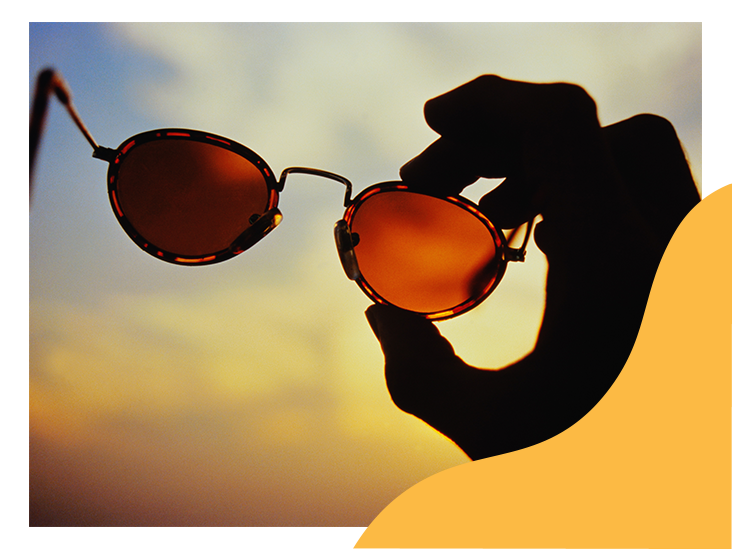
| Do sunglasses make sunburn worse? |
| Actually, there is some truth to the theory. |
| In some animal species, the eyes do drive whole-body color change — African clawed frogs use it to match their backgrounds. Humans have the basic equipment too: light-sensing cells in the retina, a pituitary gland capable of secreting the right hormones, and pigment cells ready to do their thing. |
| In humans, though, tanning is all about the local response on your body’s surface, not the depths of your brain. UVB light hits the skin, damages the DNA of keratinocytes, and activates a tumor-suppressing protein called p53. This protein then triggers a local hormonal signal that tells the nearby pigment cells (melanocytes) to make melanin, which appears right where the UV landed. That’s why your tan stops at your shirt line. If the eye-driven thing was critical, you’d tan uniformly from head to toe. But you don't. Case closed. |
| There’s another problem with the eyes-first version. The brain’s circadian system is driven by blue light. Sunburn is caused by UVB radiation between 280 and 315 nanometers, which is invisible and more energetic. Sunglasses block the UV, but not visible light, so your brain still knows perfectly well it’s daytime. |
| The viral framing that sunglasses trick your body into thinking it’s midnight under bright sunlight has also been thoroughly fact-checked and debunked by dermatologists. |
| What the theory does get right is that morning light without sunglasses is genuinely useful, just not for sunburn protection. A 2025 study of nearly 1,800 adults found that 30 minutes of morning sun exposure before 10 a.m. shifted the midpoint of sleep by about 23 minutes, aligning circadian rhythms and improving sleep quality. Ten to 30 minutes outside, with your eyes uncovered, when the UV index is still low, sends your brain a real signal, but it has nothing to do with whether you’ll burn later at the beach. |
| The downsides of skipping sunglasses during peak sunlight hours include: |
- Cumulative UV exposure to the eye accelerates the formation of cataracts.
- It contributes to age-related macular degeneration, the leading cause of vision loss in older adults.
- It can cause photokeratitis, a painful, temporary “sunburn of the cornea” you can develop after only a few hours at the beach or on snow.
- The thin skin around the eyes is a common site for basal cell carcinoma.
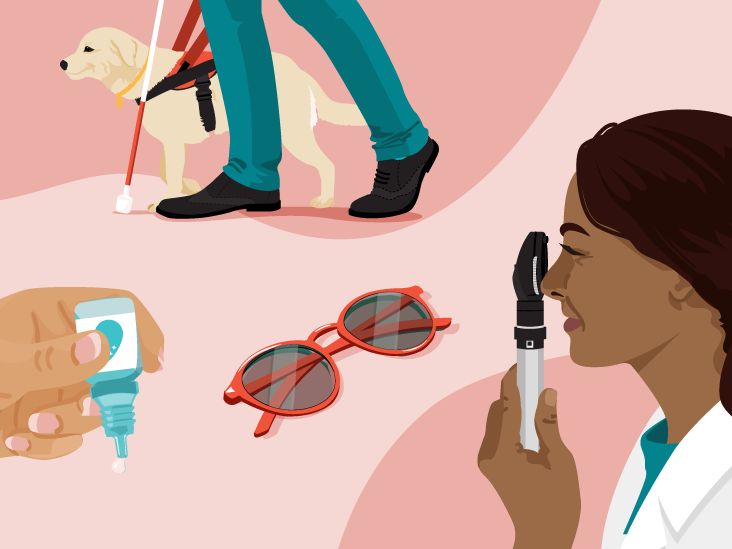
- People who are blind typically wear sunglasses outdoors for the same reason sighted people do: to protect their eyes.
|
| ⚠️ Worth knowing: Cheap dark lenses without certified UV protection are worse than no sunglasses at all. The dark tint widens your pupils and lets in even more damaging UV light. Look for “UV400” or “100% UV protection” on the label. |
|
|
| Over to you: Did you learn anything new in this email? I know I did, while researching for it. Email wellnesswire@healthline.com and let us know. |
| |
|
|
| |
|
|
| Looks essential! |
| |
| |
| |
 |
| Join Our Eye Health Newsletter |
| Want to keep learning about how to keep your eyes healthy? Sign up for our Eye Health newsletter for expert advice, tips to manage your symptoms, and the latest on condition breakthroughs delivered straight to your inbox. |
|
|
| Every product we recommend has gone through either Healthline’s or Optum Now’s vetting processes. If you buy through links on this page, we may receive a small commission or other tangible benefit. Healthline has sole editorial control over this newsletter. Potential uses for the products listed here are not health claims made by the manufacturers. Healthline and Optum Now are owned by RVO Health. |
| |
|
|
|
| |
|
|
|
|
| |
| |
| |
| Until next time, |
 |
Take care of yourself, and we’ll see
you again soon! |
| |
 |
| |
 |
| This edition was powered by |
| closing the blinds. |
| |
|
|
|
|
|
View in browser
Did a friend send you this email? Subscribe here.
To see all newsletters, click here.
Privacy | Unsubscribe
We may feature your messages to our inbox within our content. Please do not provide any personal identifiable information. Replies may be edited for length and clarity. For more, see our Privacy Policy.
Our website services, content, and products are for informational purposes only. Healthline does not provide medical advice, diagnosis, or treatment and should not be used as a substitute for medical advice from a healthcare professional. Healthline encourages you to make any treatment decisions with your healthcare professional.
Every product we recommend has gone through either Healthline’s or Optum Now’s vetting processes. If you buy through links on this page, we may receive a small commission or other tangible benefit. Healthline has sole editorial control over this newsletter. Potential uses for the products listed here are not health claims made by the manufacturers. Healthline and Optum Now are owned by RVO Health.
© 2026 RVO Health
1101 Red Ventures Drive
Fort Mill, SC 29707 |
| |
|
|
  |
|
|
|
|


No comments:
Post a Comment