Even if you take fewer steps.
͏ ͏ ͏ ͏ ͏ ͏ ͏ ͏ ͏ ͏ ͏ ͏ ͏ ͏ ͏ ͏ ͏ ͏ ͏ ͏ ͏ ͏ ͏ ͏ ͏ ͏ ͏ ͏ ͏ ͏ ͏ ͏ ͏ ͏ ͏ ͏ ͏
| |
|
|
One rule I live by: a day without a walk outside is a day wasted. Rain and deadlines have both tried to break it over the years, and sometimes succeed. On good days, that means a long stroll along the seafront and back, maybe 5 or 6 miles without stopping. Busier days get twenty minutes around the block after work and before sunset, which is only a little “better than nothing.”
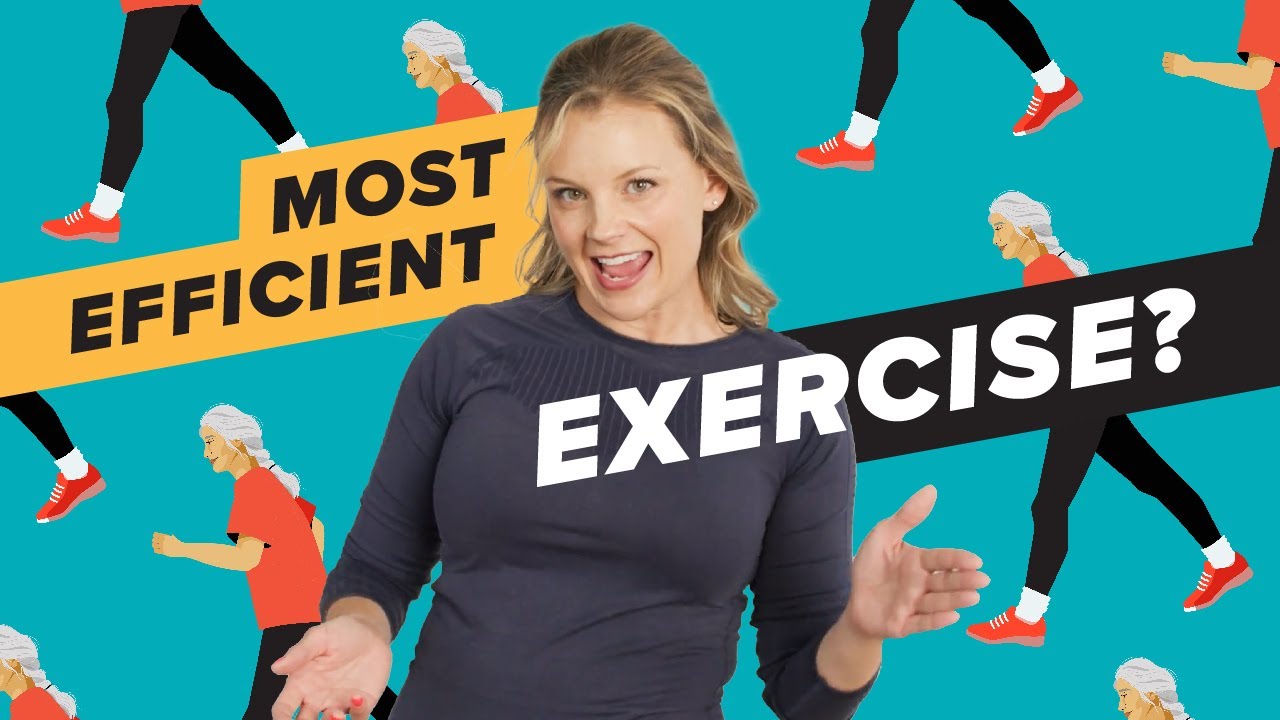
Some recent research offers a welcome new perspective on how to enjoy the health benefits of walking. A team working with UK Biobank data looked at how fast people walk, as well as how far. The results suggest my quick-paced loops may be doing more good than I thought. |
|
|
|
|
|
|
|
|
Let’s look into it,
Tim Snaith
Newsletter Editor, Healthline |
 |
|
Written by Tim Snaith
September 23, 2026 • 3 min read |
|
| |
|
|
|
|
| |
 |
|
|
|
More than 100,000 volunteers aged 40 to 69 wore an activity tracker for a week. The researchers then followed up on their health over the next 7 years. People taking 7,500 to 10,000 steps a day had the lowest risk of dying in that time. Among people walking under 5,000 steps daily, those who walked briskly in their fastest spells, at over 80 steps a minute, had a risk similar to people walking more than 5,000 steps at a slower pace.
Brisk walkers in another study had a 43% lower risk of heart rhythm problems than slow walkers. For example, a slow walker faced a 10 in 100 chance of atrial fibrillation, and a brisk walker was about 6 in 100.
These studies watched people’s existing habits, so although they show a link, they don’t prove that a slow pace is the cause. After all, fitter people tend to walk faster, and one cardiologist notes that a brisk pace may partly reflect overall fitness. The same caution applies to research linking a quicker natural walk in people over 80 with about half the risk of memory and thinking problems.
To check your own pace, count your steps for 15 seconds and multiply by 4 to see where you stand. A quicker 80-steps-per-minute stretch added to a regular walk, such as the last loop of the park, is an easy place to begin. Anyone with heart problems or high blood pressure should check with their doctor before increasing their exercise intensity. |
|
|
| 🍂 Over to you: Do you consider yourself a fast walker? Is your area even walkable? Email wellnesswire@healthline.com to share with us! |
| |
|
|
| |
| |
| |
| Until next time, |
 |
Take care of yourself, and we’ll see
you again soon! |
| |
|
 |
| |
 |
| This edition was powered by |
| looking forward to a walk by the sea. |
| |
|
|
|
|
|
View in browser
Did a friend send you this email? Subscribe here.
To see all newsletters, click here.
Privacy | Unsubscribe or Manage Preferences
We may feature your messages to our inbox within our content. Please do not provide any personal identifiable information. Replies may be edited for length and clarity. For more, see our Privacy Policy.
Our website services, content, and products are for informational purposes only. Healthline does not provide medical advice, diagnosis, or treatment and should not be used as a substitute for medical advice from a healthcare professional. Healthline encourages you to make any treatment decisions with your healthcare professional.
Every product we recommend has gone through either Healthline’s or Optum Now’s vetting processes. If you buy through links on this page, we may receive a small commission or other tangible benefit. Healthline has sole editorial control over this newsletter. Potential uses for the products listed here are not health claims made by the manufacturers. Healthline and Optum Now are owned by RVO Health.
© 2026 RVO Health
1101 Red Ventures Drive
Fort Mill, SC 29707 If you believe this has been sent to you in error, please safely unsubscribe. |
| |
|
|
 |
|
|
If you believe this has been sent to you in error, please safely unsubscribe. |
|






No comments:
Post a Comment