| |
 |
|
|
| The mushrooms backed by science |
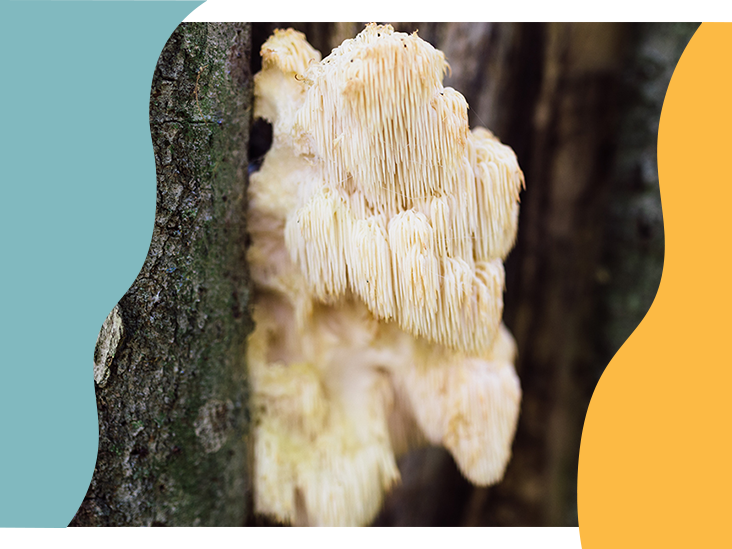
| 🧠 Lion’s mane |
| The mushroom known as lion’s mane (Hericium erinaceus) contains two compounds — hericenones and erinacines — that appear to stimulate nerve cell growth. That sets it apart from most medicinal mushrooms, because there is actual human trial data to support it. |
- In a 2020 study of adults with mild Alzheimer's disease, daily supplementation with 1 gram over 49 weeks produced significantly improved cognitive test scores compared to placebo.
- A 2019 study found that 400 mg taken three times daily for 8 weeks reduced depression, anxiety, and poor sleep in people with obesity.
- A small 2010 trial in menopausal women reported lower irritability and anxiety after eating cookies containing the mushrooms for 1 month.
|
| The studies were all small, but compared to the other varieties we’ll cover, lion's mane has earned a head start. |
| ⚡ Cordyceps |
| Cordyceps is technically a parasitic fungus that grows on insect larvae. It has the most human evidence for supporting exercise and energy. It may boost production of adenosine triphosphate (ATP), the molecule that delivers energy to muscle cells. |
- A small 2024 study found that participants who took 1 gram before a high-intensity interval session had less muscle damage and faster recovery than those on a placebo.
- A 2022 review of 19 trials involving more than 1,800 people with irregular heart rhythms found modest improvements in some participants.
|
| Wild cordyceps are hand-harvested and can cost up to $20,000 per kilogram. Most supplements use a lab-grown version called Cordyceps CS-4, which has a reasonable safety record and official approval for hospital use in China. Reported side effects are rare and minor: dry mouth, bloating, and occasional rash. |
| 💃 Maitake |
| Maitake (Grifola frondosa) — the name means “dancing mushroom” in Japanese. Research has focused on blood sugar management, immune function, and heart health, all in animal models and most of it older. There’s little information about side effects or risks associated with consuming maitake mushrooms, but they are sold in grocery stores alongside shiitake and other established mushroom varieties. |
| Maitake mushrooms contain a soluble fiber called beta-glucan. Among its benefits, this compound may have some properties that help it hydrate skin, promote collagen production, heal skin inflammation, wounds or burns, and reduce signs of aging. For example, recent laboratory and mouse research has that an extract of the mushroom may help reduce symptoms of atopic dermatitis (eczema). |
| ☯️ Reishi |
| Reishi (Ganoderma lucidum), used in Eastern medicine for centuries, has the most complicated safety picture of the four. Human evidence includes a 2024 study linking it to lower levels of self-reported fatigue, anxiety, and depression in cancer patients. A 2024 review of animal studies found that it may reduce post-exercise fatigue. But a 2016 trial found no effect on blood sugar, and several studies found no detectable change in antioxidant levels after four to 12 weeks of supplementation. |
| The concern with reishi is liver safety, as some case reports have linked its use to liver damage. People taking blood thinners or immunosuppressing medications, or those with existing liver or kidney problems, should avoid it. The caution extends to pregnant or nursing women and children. |
| 🍄 What the evidence says overall |
| Across both evidence quality and safety, lion’s mane leads, particularly for cognitive health. Cordyceps follows on the strength of its human exercise and heart rhythm data, and its clean side-effect record. Maitake is the least studied. Reishi warrants the most caution. But in each case, the evidence for benefits is quite weak, so more research is needed. |
| Standard supplement caveats apply to all four: they’re not regulated by the FDA, quality control may be inconsistent, and a check in with your doctor is sensible before starting any of them, especially if you’re on medication. |
|
|
| 💌 Over to you: Are you willing to give mushroom health benefits a try? Email wellnesswire@healthline.com to chime in. |
| |
|
|
| |
| Sponsored by |
|
 |
|
|
|
| Preparing to hit the great outdoors? |
| |
| |
| |
 |
| Ivarest |
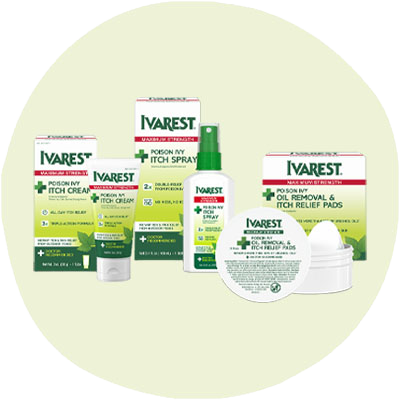
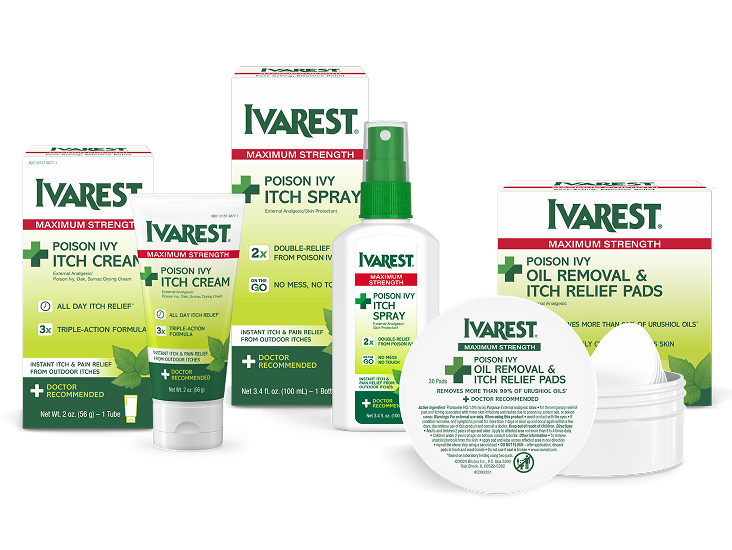
| Nature is unpredictable — you never know what it’ll throw your way. That’s why a well-stocked first-aid kit is essential for every hiker, biker, or outdoor adventurer. Along with non-negotiables like bandages and gauze, consider making some space for Ivarest’s oil removal and itch relief products. These can help soothe discomfort from poison ivy, oak, and sumac, insect bites, and minor skin irritations. Choose from quick-acting and long-lasting products available in cream, spray, or pad form. Depending on your insurance plan, you may be able to use FSA or HSA money! |
|
|
| Every product we recommend has gone through either Healthline’s or Optum Now’s vetting processes. If you buy through links on this page, we may receive a small commission or other tangible benefit. Healthline has sole editorial control over this newsletter. Potential uses for the products listed here are not health claims made by the manufacturers. Healthline and Optum Now are owned by RVO Health. |
| |
|
|
|
| |
|
|
|
|
| |
| |
| |
| Until next time, |
 |
Take care of yourself, and we’ll see
you again soon! |
| |
 |
| |
 |
| This edition was powered by |
| clean windows. |
| |
|
|
|
|
|
View in browser
Did a friend send you this email? Subscribe here.
To see all newsletters, click here.
Privacy | Unsubscribe
We may feature your messages to our inbox within our content. Please do not provide any personal identifiable information. Replies may be edited for length and clarity. For more, see our Privacy Policy.
Our website services, content, and products are for informational purposes only. Healthline does not provide medical advice, diagnosis, or treatment and should not be used as a substitute for medical advice from a healthcare professional. Healthline encourages you to make any treatment decisions with your healthcare professional.
Every product we recommend has gone through either Healthline’s or Optum Now’s vetting processes. If you buy through links on this page, we may receive a small commission or other tangible benefit. Healthline has sole editorial control over this newsletter. Potential uses for the products listed here are not health claims made by the manufacturers. Healthline and Optum Now are owned by RVO Health.
© 2026 RVO Health
1101 Red Ventures Drive
Fort Mill, SC 29707 |
| |
|
|
  |
|
|
|
|




No comments:
Post a Comment