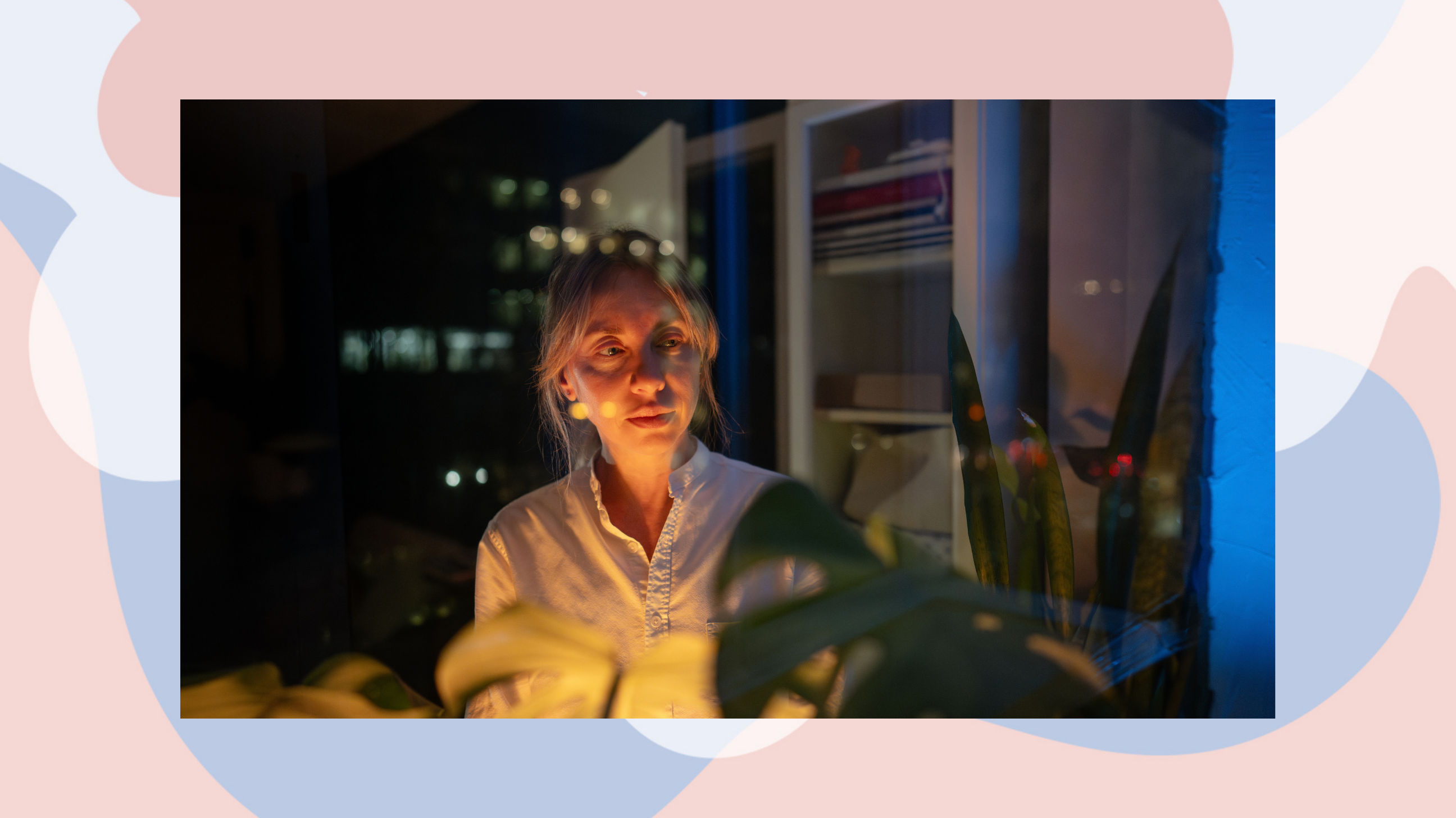
Let’s break the anxiety-sleep cycle.


͏ ͏ ͏ ͏ ͏ ͏ ͏ ͏ ͏ ͏ ͏ ͏ ͏ ͏ ͏ ͏ ͏ ͏ ͏ ͏ ͏ ͏ ͏ ͏ ͏ ͏ ͏ ͏ ͏ ͏ ͏ ͏ ͏ ͏ ͏ ͏ ͏ ͏ ͏ ͏ ͏ ͏ ͏
|
|
|
|
|
|
| Q: |
Why do I feel so anxious at night? And how can I feel more relaxed before bed? |
|
| A: |
Nighttime anxiety can look different for everyone. Maybe you’re lying in bed exhausted, but your mind just won’t turn off. Or you feel restless yet have trouble sleeping (or staying asleep). Other common signs include sweating, abdominal discomfort, or a frequent urge to pee.
For some people who live with anxiety, symptoms might feel especially loud at night as you’re getting ready for bed or trying to fall asleep. With fewer distractions and more quiet, you might find yourself worrying about the day ahead, replaying past events, or noticing more physical symptoms, such as pain and tension.
All of these factors can contribute to an anxiety-sleep cycle — anxiety makes it more challenging to sleep, and a lack of sleep can cause you to have a tougher time managing your anxiety the next day.
You may not be able to stop anxiety immediately, but certain strategies can reduce its intensity. Below, find a mix of lifestyle changes and treatment options that can support your mental health and help you get better rest.
🪷 Try meditating: Meditation can help clear the mind and allow you to focus on the present. Meditating right before you tuck into bed for the night may be a great way to relax and tune out your anxiety. These meditations in particular are designed to help you sleep.
🫁 Practice deep breathing: This can slow your heart rate and lower your blood pressure, especially when you feel the anxiety coming on. Here’s a list of 10 breathing exercises you can try the next time you’re feeling worked up before bed.
🍵 Pick up some relaxing rituals: Following a consistent, intentional evening routine can signal to your brain that it’s time to transition to sleep mode. Maybe you try journaling before bed, drinking a cup of your favorite herbal tea, stretching in candlelight, taking a warm bath, or reading a physical book to feel more grounded.
🧸 Create a cozier bedroom: Set your sleeping environment up for success! Upgrade your pillows and mattress to more comfortable ones, choose soothing colors for your bedding, and make any other changes that can help you feel safe and relaxed.
🩵 Speak with a therapist: Working with a professional who specializes in cognitive behavioral therapy (CBT) can help you manage your anxiety symptoms, especially if they’re disrupting your daily life. Depending on your needs, they may recommend you try prescription antianxiety medication, lifestyle changes, or herbal supplements, such as magnesium, valeric acid, and rosemary.
Psst: This is Day 11 of Healthline’s 3 Weeks to Better Sleep Challenge. Follow along to discover small, meaningful habits to help you sleep better, feel more rested, and wake ready to thrive each day! |
|
|
|
| Want to share feedback on today’s newsletter or request a specific mental health topic? Email us at newsletters@healthline.com, and we’ll do our best to cover it in an upcoming edition. |
|
|
|
|
|
|
|
|
| We picked these articles just for you |
|
|
 |
|
|
|
|
|
|
|
|
|
|
|
|
|
| TRY THIS |
| Take Care of Your Whole Self |
| Better mental health starts with whole-person wellness. Discover practices, products, and people that can help you on your journey. |
|
|
|
|
|
|
|
 |
|
|
| We may feature your messages to our inbox within our content. Please do not provide any personal identifiable information. Replies may be edited for length and clarity. For more, see our Privacy Policy. |
Healthline, Optum Now, and their respective logo(s) are trademarks of RVO Health, LLC.
All other trademarks are the property of their respective owners.
© 2026 RVO Health, LLC. All Rights Reserved.
1101 Red Ventures Drive, Fort Mill, SC, 29707 |
|
|
|
If you believe this has been sent to you in error, please safely unsubscribe.






No comments:
Post a Comment