New research links nighttime light to health problems.
͏ ͏ ͏ ͏ ͏ ͏ ͏ ͏ ͏ ͏ ͏ ͏ ͏ ͏ ͏ ͏ ͏ ͏ ͏ ͏ ͏ ͏ ͏ ͏ ͏ ͏ ͏ ͏ ͏ ͏ ͏ ͏ ͏ ͏ ͏ ͏ ͏
| | | | | My new bedroom never gets properly dark. Street light filters through my blinds; they're no match for the morning sun, and the problem will only get worse as the days grow longer. I'd been treating this as a mild annoyance until I read two recent studies linking nighttime light exposure to significantly higher cardiovascular risk. I've been shopping for a solution, and I think I've found one, as you'll see below. | | | | | | | Let's look into it,
Tim Snaith
Newsletter Editor, Healthline |  | | Written by Tim Snaith
March 11, 2026 • 3 min read | | | | | | | |
| | 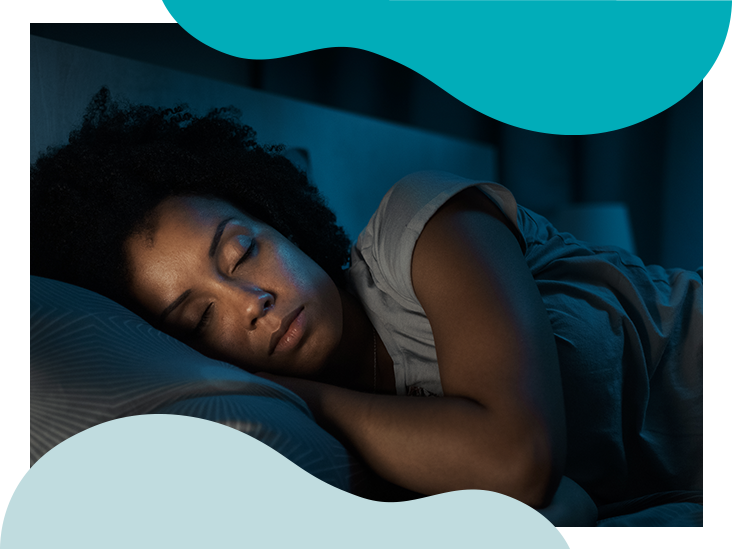 | | | | Why you should sleep in total darkness | | To enjoy the full benefits of a night's sleep, you won't need a prescription, a doctor's visit, or a major lifestyle overhaul. Just a darker room. Two recent studies suggest that the more light you're exposed to while sleeping, the harder it is on your heart. | | The first study, published last October, tracked nearly 89,000 adults (average age 62) who wore light sensors on their wrists for a week. Researchers then followed their health records for almost a decade. People who slept in the brightest conditions had up to 56% higher risk of heart failure and 47% higher risk of heart attack compared to those with the darkest bedrooms. These numbers held up even after accounting for exercise, smoking, diet, and sleep duration. | | A smaller study presented at the American Heart Association's Scientific Sessions 2025 helps to explain why this pattern emerged. Using brain scans and satellite imagery, researchers found that nighttime light increased brain activity, triggering inflammation in the arteries. Each meaningful increase in light exposure was linked to a 35% higher risk of heart attack over 5 years. | | The biology is fairly straightforward. When it's dark, your body produces melatonin, which helps lower blood pressure and your heart rate overnight. Light delays or disrupts the melatonin signal, and your body fails to wind down effectively. Your blood pressure remains elevated, stress hormones linger, and low-grade inflammation affects the walls of your arteries. | | The first study also found that the increase in the risk of heart failure and coronary artery disease was stronger in women. | | If your bedroom lets in light, don't worry — this is one of the simplest cardiovascular risk factors to address. Blackout curtains or shades make the biggest difference. A well-fitted sleep mask works if new curtains aren't in the budget. You could also swap always-on nightlights for motion-sensing ones. And remember to charge your phone face down, or better yet, leave it in another room. | | | | Over to you: Have you tried sleeping with a mask or invested in blackout curtains? Did it make a difference? Email wellnesswire@healthline.com and let us know. | | | | | | | | | Hello darkness, my old friend | | | | | | | 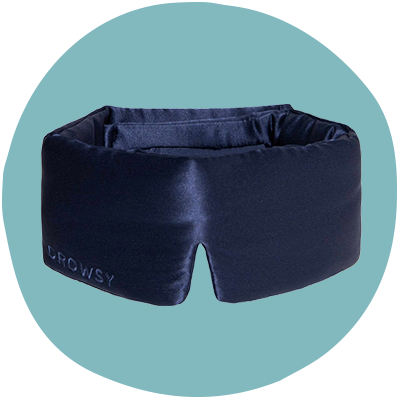 | | Drowsy Silk Sleep Mask | | I bought a pair of these Drowsy silk sleep masks after moving into an apartment where the blinds put up little fight against the early morning sun. They're made from padded mulberry silk and feel cool and smooth against the skin rather than clammy or scratchy. The wide, strapless design wraps around your head instead of digging in with an elastic band, so there's no pressure on your eyes and nothing tugging at your hair. Best of all, they provide full blackout, with no light leaking in from the nose or sides. I can vouch that they stay put overnight and don't leave marks. If the research on nighttime light and heart health gave you pause, this is a low cost, zero-effort fix compared to investing a small fortune in blackout blinds. | | | Every product we recommend has gone through either Healthline's or Optum Now's vetting processes. If you buy through links on this page, we may receive a small commission or other tangible benefit. Healthline has sole editorial control over this newsletter. Potential uses for the products listed here are not health claims made by the manufacturers. Healthline and Optum Now are owned by RVO Health. | | | | | | | | | | | |   | | | | | | | | Until next time, |  | Take care of yourself, and we'll see
you again soon! | | |  | | |  | | This edition was powered by | | the blood moon. | | | | | | | | View in browser
Did a friend send you this email? Subscribe here.
To see all newsletters, click here.
Privacy | Unsubscribe
We may feature your messages to our inbox within our content. Please do not provide any personal identifiable information. Replies may be edited for length and clarity. For more, see our Privacy Policy.
Our website services, content, and products are for informational purposes only. Healthline does not provide medical advice, diagnosis, or treatment and should not be used as a substitute for medical advice from a healthcare professional. Healthline encourages you to make any treatment decisions with your healthcare professional.
Every product we recommend has gone through either Healthline's or Optum Now's vetting processes. If you buy through links on this page, we may receive a small commission or other tangible benefit. Healthline has sole editorial control over this newsletter. Potential uses for the products listed here are not health claims made by the manufacturers. Healthline and Optum Now are owned by RVO Health.
© 2026 RVO Health
1101 Red Ventures Drive
Fort Mill, SC 29707 | | | | |   | | |
| |


No comments:
Post a Comment