|
|
| | | Q | | Why am I still getting hot flashes decades after I went through menopause? | | | | A | | While most people get relief from hot flashes within a few years after menopause, others continue to experience them for decades, well into their 60s, 70s, or beyond.
The reasons for these prolonged hot flashes are not fully understood, but contributing factors may include individual differences in how the brain regulates body temperature, hormonal sensitivity, and lifestyle factors. For example, people with higher body weight may be more prone to frequent or intense hot flashes due to the insulating effects of excess fat tissue, which can interfere with heat dissipation.
Several effective strategies exist to help reduce hot flash frequency and intensity. Lifestyle modifications are often a good starting point. These include: - dressing in breathable layers
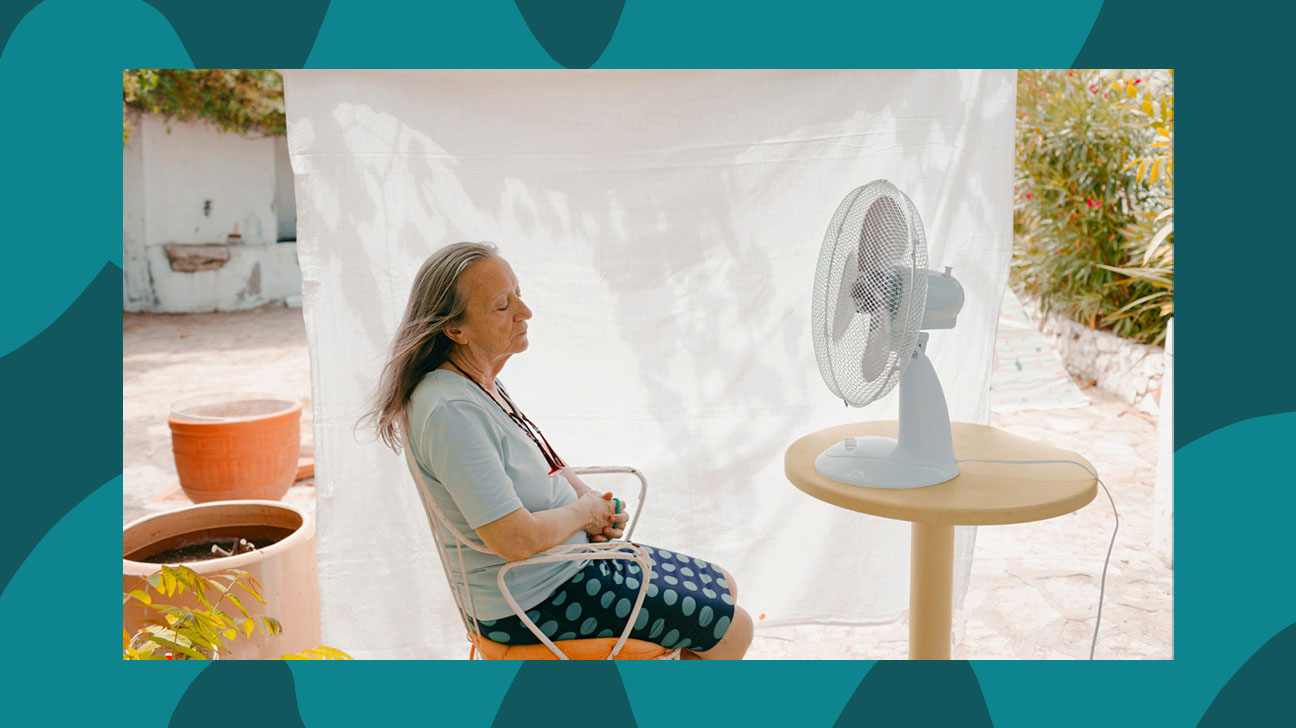
- using fans
- keeping your sleeping environment cool
- sipping cold water during a hot flash
- maintaining a healthy weight for you
- avoiding common triggers, such as spicy foods, caffeine, alcohol, and tobacco
Beyond lifestyle changes, mind-body therapies like mindfulness meditation, cognitive behavioral therapy (CBT), and hypnotherapy have shown promise in reducing the severity and impact of hot flashes.
For people whose symptoms are severe and significantly affect quality of life, medical treatment may be necessary. There are many nonhormonal medication options available, including antidepressants.
Menopausal hormone therapy (MHT) may be considered in select cases, even decades after menopause, but it must be approached with caution. MHT is generally considered most beneficial and safest when started within 10 years of menopause onset or before age 60. Starting MHT later — especially after age 65 or more than a decade postmenopause — is associated with increased health risks, including blood clots and stroke, without the same level of benefit seen in younger postmenopausal people.
However, for people with persistent, severe symptoms that do not respond to other treatments, MHT may still be an option if there are no major contraindications. In such cases, treatment decisions should be made in close collaboration with a healthcare professional, taking into account individual factors like age, personal and family health history, and cardiovascular risk. | | | | | | | | Do you have any questions for our menopause experts? Let us know at menopause@healthline.com and the answer may be featured in an upcoming edition! | | | |
| |
| |
| |
| |
| HEALTHY TIP | | Work with a health coach to maintain a healthy weight for you | | Your weight may be one factor affecting your hot flash symptoms. With Real Appeal's online coaching program, find experienced coaches, on-demand workouts, and a science-backed approach — all designed to help you set practical goals and reach them. | | | | | |
| |
 | | | | We may feature your messages to our inbox within our content. Please do not provide any personal identifiable information. Replies may be edited for length and clarity. For more, see our Privacy Policy. | Healthline, Optum Now, and their respective logo(s) are trademarks of RVO Health, LLC.
All other trademarks are the property of their respective owners.
© 2025 RVO Health, LLC. All Rights Reserved.
1101 Red Ventures Drive, Fort Mill, SC, 29707 | | |








No comments:
Post a Comment