The treatment options, and risks


͏ ͏ ͏ ͏ ͏ ͏ ͏ ͏ ͏ ͏ ͏ ͏ ͏ ͏ ͏ ͏ ͏ ͏ ͏ ͏ ͏ ͏ ͏ ͏ ͏ ͏ ͏ ͏ ͏ ͏ ͏ ͏ ͏ ͏ ͏ ͏ ͏ ͏ ͏ ͏ ͏ ͏ ͏
|
|
|
|
|
|
| Q |
|
What are my options for menopausal hormone therapy (MHT) if I'm 10 years post-menopause? |
|
|
| A |
|
The most important factor in hormone therapy safety is when you start it. Research from large studies shows that hormone therapy works best and is safest when started within 10 years of menopause or before age 60.
Starting hormone therapy more than 10 years after menopause carries different risks than starting it earlier. People who begin hormone therapy later in menopause may face increased risks of stroke, blood clots, and cardiovascular problems compared to those who start closer to menopause. The absolute risk is still relatively small, but it's higher than in younger postmenopausal individuals.
Your treatment options
Hormone therapy
If you still have bothersome symptoms and your healthcare professional determines that the benefits outweigh the risks for your individual situation, hormone therapy options include:
- Estrogen-only therapy: For if you've had a hysterectomy. This comes in pills, creams, rings, gels, and patches and is the most effective treatment for hot flashes and night sweats, reducing symptoms by about 75%.
- Combined estrogen and progesterone therapy: If you still have your uterus, the progesterone protects your uterine lining. This also comes in various forms, including pills and patches.
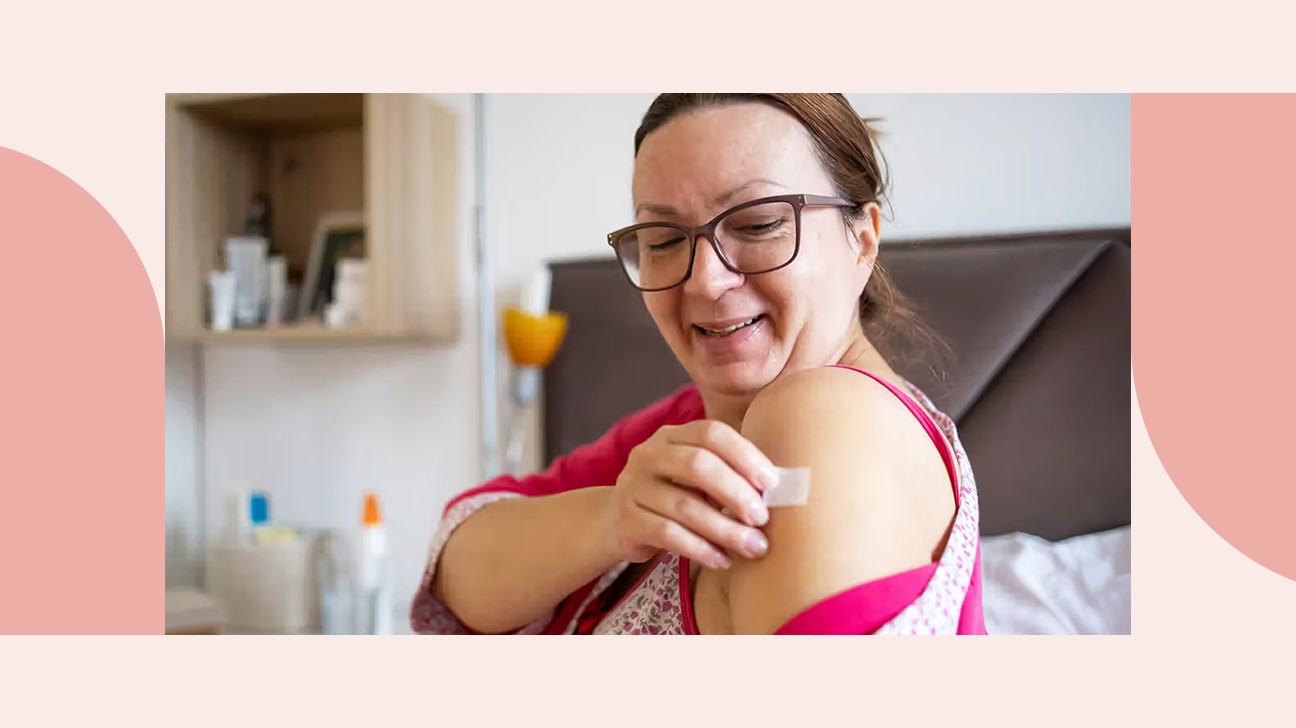
- Transdermal (patch) formulations: These may be safer than pills regarding blood clot risk.
Low dose vaginal estrogen
For vaginal dryness, burning, or discomfort during intercourse, low dose vaginal estrogen creams, tablets, or rings work directly where needed with minimal absorption into your bloodstream. These are generally considered safe even for women who cannot take systemic hormone therapy.
Nonhormonal options
Several FDA-approved nonhormonal medications can help with hot flashes, though they're not as effective as hormone therapy. These include certain antidepressants and a newer medication called fezolinetant. Lifestyle modifications like keeping your bedroom cool, dressing in layers, and avoiding triggers like spicy foods, caffeine, and alcohol may also help.
Important considerations
Starting hormone therapy after age 70 is generally not recommended due to significantly increased cardiovascular risks. If you're between 60 and 70 years old, the decision requires careful discussion with your healthcare professional about your individual health profile, including your cardiovascular risk factors.
Contraindications to hormone therapy include a history of breast cancer, stroke, heart disease, active liver disease, undiagnosed vaginal bleeding, blood clots, and some inherited blood clotting disorders.
If you're already taking hormone therapy that you started earlier in menopause, the decision about whether to continue is different from the decision about starting new therapy. Many people can safely continue hormone therapy as long as symptoms persist and there are no new contraindications, with regular monitoring by their healthcare professional.
Making your decision
The choice about hormone therapy is highly individual and should be made together with your healthcare professional, since they will consider your specific symptoms, how much they bother you, your overall health, your cardiovascular risk, and your personal preferences. The goal is to use the lowest effective dose for the shortest time needed to manage your symptoms.
Regular follow-up visits are important to reassess whether hormone therapy continues to be appropriate for you. |
|
|
|
|
|
|
| Do you have any other questions for our menopause experts? Let us know at menopause@healthline.com, and the answer may be featured in an upcoming edition! |
|
|
|
|
|
|
|
|
| HEALTHY TIP |
| Evening Primrose Oil to Treat Menopause Symptoms |
Evening primrose oil (EPO) is an alternative and complementary treatment that can be used to alleviate pain and discomfort during menopause. EPO contains high levels of gamma-linolenic acid (GLA) and linolenic acid, which are omega-6 fatty acids that reduce inflammation when consumed in moderation with omega-3 fatty acids.
Because of its potential effect on inflammation, EPO has many uses, including treating menopause-related hot flashes and night sweats |
|
|
|
|
|
|
|
  |
|
|
 |
|
|
| We may feature your messages to our inbox within our content. Please do not provide any personal identifiable information. Replies may be edited for length and clarity. For more, see our Privacy Policy. |
Healthline, Optum Now, and their respective logo(s) are trademarks of RVO Health, LLC.
All other trademarks are the property of their respective owners.
© 2026 RVO Health, LLC. All Rights Reserved.
1101 Red Ventures Drive, Fort Mill, SC, 29707 |
|
|
|




No comments:
Post a Comment