|
|
|
|
|
|
| Q |
|
Is there a menopause "diet" to help manage declining estrogen? |
|
|
| A |
|
Nutrition can play an important role in helping to manage the symptoms of menopause and support your body as it goes through hormonal changes. During menopause, your body experiences a natural decline in estrogen levels which can lead to symptoms such as hot flashes, night sweats, vaginal dryness, sleep disturbances, and mood changes. While hormone therapy remains the most effective treatment for severe symptoms, dietary strategies can play an important role in optimizing your overall health and potentially helping with some symptoms.
Dietary patterns can also support long-term health during the menopausal transition by helping prevent cardiovascular disease, promoting bone health, and assisting with weight management.
While diet alone may not eliminate menopausal symptoms, it provides a safe, evidence-based approach that supports your overall well-being.
Start with a plant-forward diet
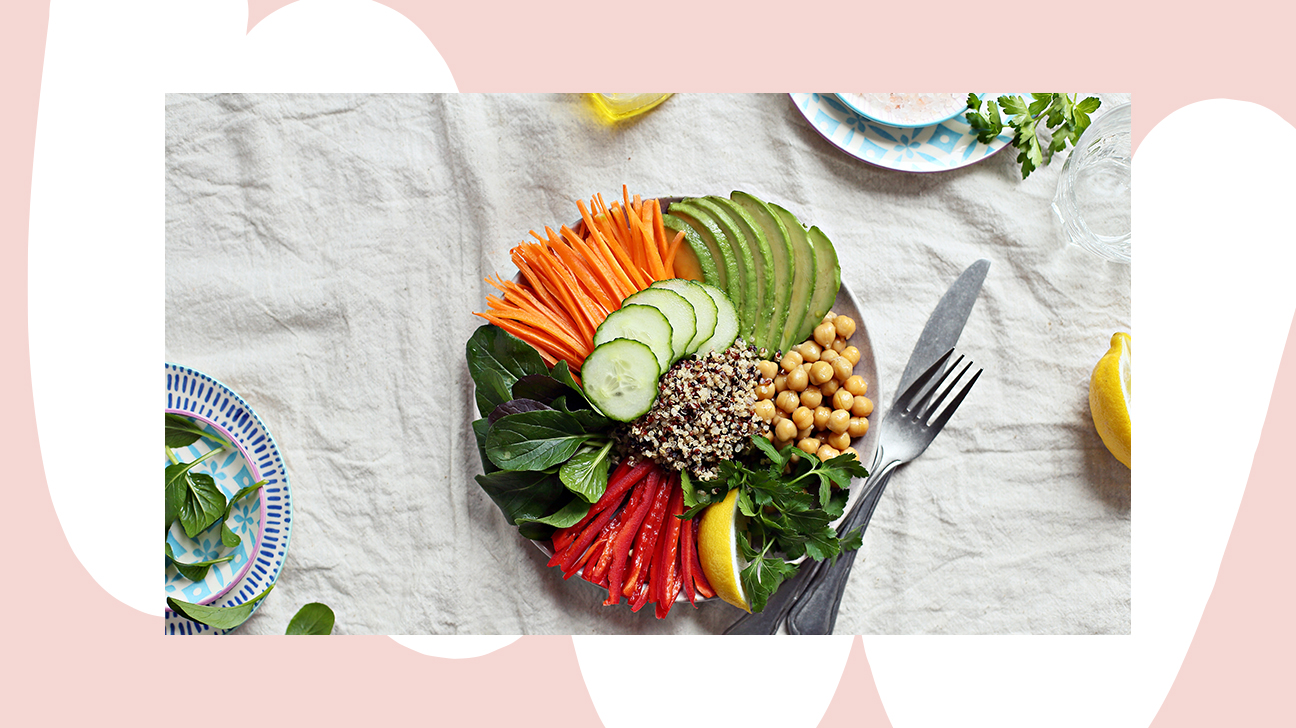
Research shows that people who follow plant-based dietary patterns may experience fewer symptoms and better overall health during menopause. A diet rich in fruits, vegetables, whole grains, nuts, legumes, and healthy fats like olive oil supports cardiovascular and metabolic health during this transition.
The Mediterranean diet which emphasizes plant-based foods along with fish and moderate amounts of dairy, has been shown to improve measures of cardiovascular health in perimenopausal and postmenopausal people — among many other health benefits.
Emphasize nutrient-rich foods
Focus on foods that provide valuable vitamins, minerals, and other nutrients to support your changing body, including calcium, vitamin D, and omega-3 fatty acids.
- Fruits and vegetables: Aim for a variety of colorful produce daily. These foods provide antioxidants, vitamins, minerals, and fiber that support overall health and may help reduce symptom severity.
- Whole grains: Choose whole wheat, oats, quinoa, brown rice, and other whole grains over refined grains. These provide sustained energy and help regulate blood sugar.
- Healthy fats: Include sources of omega-3 fatty acids such as fatty fish, walnuts, flaxseed, and chia seeds. Use extra virgin olive oil as your primary cooking and dressing oil. Omega-3 fatty acids combined with vitamin E have been shown to reduce hot flash intensity in some studies.
- Calcium and vitamin D rich foods: To protect bone health, consume adequate calcium through dairy products, fortified plant milks, leafy greens, and almonds. Vitamin D can be obtained from fatty fish, fortified foods, and sensible sun exposure. Many people require supplementation to meet vitamin D needs.
- Protein: Adequate protein intake is important during menopause to maintain muscle mass and bone health. Include lean proteins, fish, legumes, nuts, and seeds throughout the day.
Limit foods that can worsen symptoms
It’s helpful to understand the impact that sugar, saturated fats, alcohol, and other foods can have on menopausal symptoms, from increasing the severity of hot flashes to disrupting sleep.
- High fat and high sugar foods: Diets high in saturated fats, added sugars, and processed foods have been associated with increased frequency and severity of hot flashes and night sweats.
- Red and processed meats: Limit consumption of red meat and avoid processed meats. Focus instead on fish, poultry, and plant-based protein sources.
- Refined carbohydrates: White bread, pastries, and other refined grain products can contribute to blood sugar fluctuations and weight gain.
- Alcohol and caffeine: Excessive alcohol intake can worsen hot flashes and disrupt sleep. Caffeine may also trigger or worsen vasomotor symptoms in some women.
Focus on bone and heart health
- Bone health: Ensure adequate intake of calcium, vitamin D, magnesium, and vitamin K2. These nutrients work together to maintain bone density, which naturally declines after menopause. Most women need 1,200 mg of calcium and 600 to 800 IU of vitamin D daily, though individual needs may vary.
- Heart health: The menopausal transition is associated with increased cardiovascular risk.A diet low in saturated fats and rich in fiber, healthy fats, and plant foods can help manage cholesterol, blood pressure, and blood sugar levels. Follow the American Heart Association's recommendations: high intake of fruit, vegetables, nuts, fish, whole grains, and olive oil, with low consumption of red and processed meat, sweet foods and beverages, and refined grains.
- Weight management: Many individuals experience weight gain during menopause, particularly around the abdomen. A plant-forward diet combined with regular physical activity can help maintain a healthy weight and reduce metabolic risks.
Do what works best for you
Remember that every individual’s experience with menopause is unique. What works well for one person may be less effective for another. Consider keeping a food and symptom diary to identify which dietary changes are most helpful for you.
Discuss your nutritional plan with your healthcare professional, especially if you have other health conditions or are taking medications. If you are experiencing bothersome hot flashes or other menopausal symptoms, talk with your healthcare professional about the full range of treatment options, including hormone therapy and nonhormonal medications that have been proven effective. |
|
|
|
|
|
|
| Do you have any other questions for our menopause experts? Let us know at menopause@healthline.com, and the answer may be featured in an upcoming edition! |
|
|
|
|
|
|
|
|
| HEALTHY TIP |
| Phytoestrogens in food mimic your body’s own estrogen |
| Plant-based diets are rich in natural phytoestrogens in healthy amounts, especially from soy (tofu, tempeh, miso, soymilk). Potential benefits of phytoestrogens include hot flash relief and osteoporosis prevention. Other notable food sources for phytoestrogens include broccoli, carrots, oranges, and legumes such as beans and peas. |
|
|
|
|
|
|
|
  |
|
|
 |
|
|
| We may feature your messages to our inbox within our content. Please do not provide any personal identifiable information. Replies may be edited for length and clarity. For more, see our Privacy Policy. |
Healthline, Optum Now, and their respective logo(s) are trademarks of RVO Health, LLC.
All other trademarks are the property of their respective owners.
© 2026 RVO Health, LLC. All Rights Reserved.
1101 Red Ventures Drive, Fort Mill, SC, 29707 |
|
|
|






No comments:
Post a Comment