| |  | | | | Does 1 hour make a difference? | | Prior to starting the month-long challenge (and it was challenging), I got 9 hours of sleep most weeknights. This is at the top of the range recommended for people of my age, which is 7 to 9 hours per night. | | On my old schedule, I experienced the occasional bout of sleep inertia (the grogginess you feel upon waking up). I thought it might be due to oversleeping, so I decided to switch things up and adopt a shorter schedule. On this shortened schedule, I only got 8 hours of sleep. Most days, I had trouble getting out of bed until closer to 7:30 after my alarm went off at 7, shaking off the sleepiness and taking microsleeps until I forced myself up. | | A few days I woke up with enough energy to get out of bed right away. This was a major contrast to before: Most of the time, I could start my morning as soon as I heard my alarm's first chime — no snooze needed (except those sporadic groggy days I mentioned). | | While I tried to tough out the tiredness most days, I did succumb to an afternoon nap and early bedtime just a couple of times. Interestingly enough, when I went to bed before 11 p.m., I woke up the next day with more energy. I felt like I typically do in the morning on those days — awake. Maybe 9 hours of sleep is actually what I need? | | I should mention one thing that could have affected the outcome of this experiment: Though 1 hour may not seem that dramatic a change, suddenly changing your sleep schedule isn't recommended. It's generally better to adjust it slowly over time. Had I done it gradually, might my opinion — and results — have changed? Maybe. | | Follow the link below to learn more about my takeaways from this experiment! (And if I adopt this new schedule.) | | | | ‼️ Heads up: While occasional sleep inertia isn't a big deal, you may benefit from talking with your doctor if you have trouble shaking off the grogginess or if it interferes with your daily activities. | | | | | | | | | Rise and shine! | | | | | | | 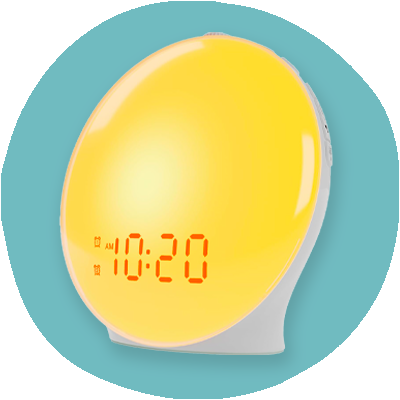 | | JALL Wake Up Light Sunrise Alarm Clock | | I'm the kind of person who needs to wake up to the sun or natural light. I just start my day off with a better mood if I do. I also hate blaring alarms that scare you out of sleep. That's where this alarm clock comes in handy. It mimics daylight (and has six other color settings), so you don't have to worry about waking up in a dark room. It also has seven natural sounds, including rain, a river, and crickets. Sleeping soundly and waking up peacefully never looked so good! | | | Every product we recommend has gone through either Healthline's or Optum Now's vetting processes. If you buy through links on this page, we may receive a small commission or other tangible benefit. Healthline has sole editorial control over this newsletter. Potential uses for the products listed here are not health claims made by the manufacturers. Healthline and Optum Now are owned by RVO Health. | | | | | | | | | | | |   | | | | | | | | Until next time, |  | Take care of yourself, and we'll see
you again soon! | | |  | | |  | | This edition was powered by | | 9 hours of sleep. | | | | | | | | View in browser
Did a friend send you this email? Subscribe here.
To see all newsletters, click here.
Privacy | Unsubscribe
We may feature your messages to our inbox within our content. Please do not provide any personal identifiable information. Replies may be edited for length and clarity. For more, see our Privacy Policy.
Our website services, content, and products are for informational purposes only. Healthline does not provide medical advice, diagnosis, or treatment and should not be used as a substitute for medical advice from a healthcare professional. Healthline encourages you to make any treatment decisions with your healthcare professional.
Every product we recommend has gone through either Healthline's or Optum Now's vetting processes. If you buy through links on this page, we may receive a small commission or other tangible benefit. Healthline has sole editorial control over this newsletter. Potential uses for the products listed here are not health claims made by the manufacturers. Healthline and Optum Now are owned by RVO Health.
© 2025 RVO Health
1101 Red Ventures Drive
Fort Mill, SC 29707 | | | | |   | | |
🐄  | ͏ ͏ ͏ ͏ ͏ ͏ ͏ ͏ ͏ ͏ ͏ ͏ ͏ ͏ ͏ ͏ ͏ ͏ ͏ ͏ ͏ ͏ ͏ ͏ ͏ ͏ ͏ ͏ ͏ ͏ ͏ ͏ ͏ ͏ ͏ ͏ ͏ ͏ | | | Catherine Donnellan is a registered dietitian at Healthline sister brand Wellos, who's committed to helping people discover a practical eating approach that aligns with their lifestyle. She prioritizes evidence-based principles and empowers her clients to achieve their goals. | | Catherine is here today to help us understand whether there are benefits to choosing grass-fed dairy. | | | | | | | Eat up,
Ginger Wojcik
Newsletter Editor, Healthline |  | | Written by Ginger Wojcik
October 30, 2025 • 2.5 min read | | | | 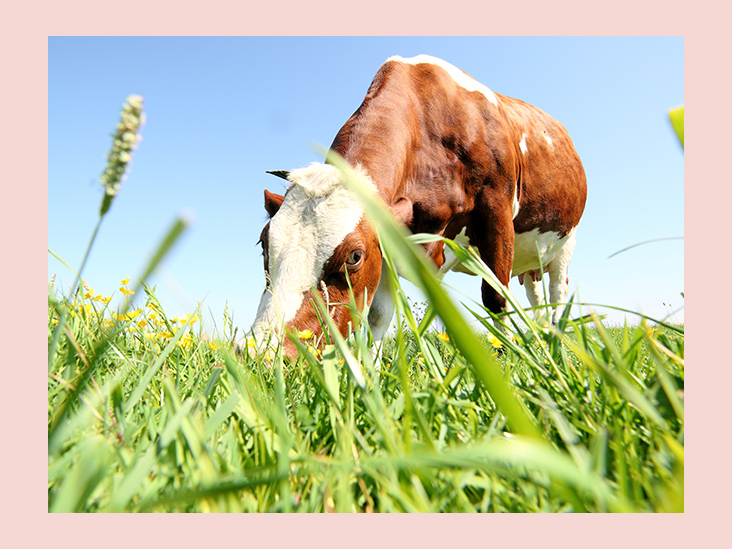 | | | | Q: | What are the benefits of eating grass-fed dairy products? | | | A: | Grass-fed and conventional dairy provide roughly the same amount of calories from protein, fat, and carbohydrates, but there may be additional benefits to consuming grass-fed products.
Grass-fed dairy has higher amounts of beneficial omega-3 fatty acids and fewer omega-6 fatty acids. Grass-fed milk also contains more conjugated linoleic acid (CLA), beta carotene, and vitamin E. However, the nutrient profile of grass-fed milk can change depending on the animal's geographical location, climate, and the quality and amount of the grasses consumed.
Although the term "grass-fed" doesn't have an official definition, it generally refers to dairy from cows fed a diet of grass and other forage plants. Importantly, a grass-fed diet excludes any grain or grain by-products.
It may also be helpful to know that "grass-fed" and "pasture-raised" are distinct terms. The former refers to an animal's diet, while the latter refers to where it lives and grazes. Grass-fed animals are pasture-raised and must have continuous access to pasture during the growing season. However, it's common for pasture-raised animals to also eat grain as part of their diets.
Some people prefer the taste of grass-fed options over conventional dairy, which is another consideration when making your decision. When choosing grass-fed dairy, look to the American Grassfed Association for grass-fed dairy standards and labeling. | | | | | Catherine Donnellan, Registered Dietitian | | | Want to learn more about food, diets, cooking, or some other nutrition subject? Let us know at nutritionedition@healthline.com and we'll look into it for you! (Heads up, we may use your response in an upcoming newsletter.) | | | | | | | | What we're digesting | | ⛓️ Fatty liver disease and diabetes. What's the connection? | | 🏥 Why Black men are at a greater risk of prostate cancer. An expert explains. | | 🧠 What's the difference between agnosia and aphasia? Learn about these two neurological conditions that can occur after a traumatic brain injury. | | 🥝 Chronic constipation? Here's what to eat to find relief, according to new guidelines. | | | |   | | | Until next time, | | Take care of yourself, and we'll see
you again soon! | | | | |  | | This edition was powered by | | happy cows.️ | | | | | | View in browser
Did a friend send you this email? Subscribe here.
To see all newsletters, click here.
Privacy | Unsubscribe
We may feature your messages to our inbox within our content. Please do not provide any personal identifiable information. Replies may be edited for length and clarity. For more, see our Privacy Policy.
Our website services, content, and products are for informational purposes only. Healthline does not provide medical advice, diagnosis, or treatment and should not be used as a substitute for medical advice from a healthcare professional. Healthline encourages you to make any treatment decisions with your healthcare professional.
Every product we recommend has gone through either Healthline's or Optum Now's vetting processes. If you buy through links on this page, we may receive a small commission or other tangible benefit. Healthline has sole editorial control over this newsletter. Potential uses for the products listed here are not health claims made by the manufacturers. Healthline and Optum Now are owned by RVO Health.
© 2025 RVO Health
1101 Red Ventures Drive
Fort Mill, SC 29707 | | |  | |
| |