Here's what new research suggests.
͏ ͏ ͏ ͏ ͏ ͏ ͏ ͏ ͏ ͏ ͏ ͏ ͏ ͏ ͏ ͏ ͏ ͏ ͏ ͏ ͏ ͏ ͏ ͏ ͏ ͏ ͏ ͏ ͏ ͏ ͏ ͏ ͏ ͏ ͏ ͏ ͏
| | | | | As more states and countries across the world remove restrictions on cannabis for medical and recreational use, two major studies reveal serious long-term health risks that many users may not know about. Most recently, researchers following 4 million people across the United States and Europe found that cannabis users face nearly 4 times the risk of developing type 2 diabetes than non-users. | | A separate study published earlier this year revealed how heavy cannabis use impairs working memory, which is vital for performing everyday tasks. Taken together, these findings challenge the assumption that cannabis is perfectly harmless for mainstream use. | | | | | | | Let's look into it!
Tim Snaith
Newsletter Editor, Healthline |  | | Written by Tim Snaith
October 10, 2025 • 5 min read | | | | | | | |
| |  | | | | How cannabis affects diabetes risk and memory | | The diabetes study followed people for 5 years and found that 2.2% of cannabis users developed diabetes over that time, compared to just 0.6% of non-users. Research into the herb's effect on memory showed that individuals who used it more than 1,000 times in their lifetime had reduced activity in areas of the brain controlling working memory, which affected their ability to follow instructions, make plans, drive, and engage in conversations. | | The link between cannabis use and diabetes appears to work through a number of pathways. Cannabis may overstimulate the body's endocannabinoid system, promoting fat accumulation in the abdomen and liver, while promoting insulin resistance. | | The well-known "munchies" phenomenon, where users crave high calorie food, may also play a role. Increased calorie intake and too much time on the couch create conditions that favor the development of diabetes. | | The study followed healthy participants without typical diabetes risk factors, so it suggests that relatively healthy adults who use cannabis face an increased risk, not just people who are already predisposed to the condition. | | The memory problem | | Working memory is the mental workspace that enables you to process information while performing tasks. People with impaired working memory struggle to follow multi-step directions, remember points made in conversation long enough to respond to them, or to make decisions that rely on multiple factors. | | The memory study found that these effects carry on after cannabis intoxication ends. Brain MRI scans revealed structural changes in areas of the brain that support memory. This is particularly concerning since many of the participants were young adults whose brains were still developing. So, starting cannabis early in life may create lasting effects that impair day-to-day activity. | | What about CBD? | | The studies examined cannabis use generally, which typically means products containing tetrahydrocannabinol (THC), the compound that causes the high. This is different from cannabidiol (CBD) products, which don't cause intoxication and are being studied for various health conditions. However, more research is needed. | | These findings don't mean cannabis is dangerous for everyone or that medical use is inappropriate. But as cannabis becomes more available and socially accepted, understanding the potential risks becomes more important. | | The research suggests that frequent, heavy use carries real health consequences that many users may not be aware of. Anyone using cannabis, recreationally or medically, should discuss these risks with their doctor and keep one eye on their metabolic health. | | If you're concerned about your risk of developing diabetes, certain lifestyle measures may help. Check out our link below to learn more. | | | | 💨 Over to you: If you use cannabis products, have you discussed the potential health impacts with your doctor? What questions do you have about reducing risk while using cannabis for medical purposes? Email wellnesswire@healthline.com to share your thoughts with us. | | | | | | | | | Don't stress | | | | | | | 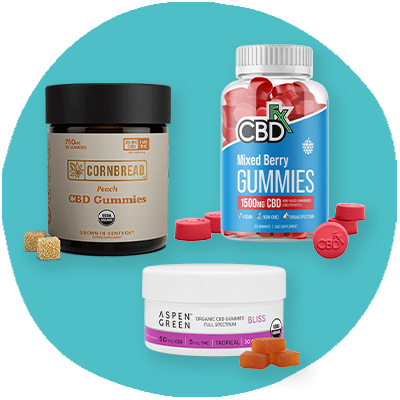 | | The Best CBD Gummies for Anxiety and Stress | | If you're considering CBD for anxiety or stress management, our expert-reviewed guide covers safety, effectiveness, proper dosing, and which products passed third-party testing. We tested over 150 gummies from 50 brands to find options that balance quality and potency — but always consult your doctor before trying CBD, especially if you take other medications. | | | Every product we recommend has gone through either Healthline's or Optum Now's vetting processes. If you buy through links on this page, we may receive a small commission or other tangible benefit. Healthline has sole editorial control over this newsletter. Potential uses for the products listed here are not health claims made by the manufacturers. Healthline and Optum Now are owned by RVO Health. | | | | | | | | | | | |   | | | | | | | | Until next time, |  | Take care of yourself, and we'll see
you again soon! | | |  | | |  | | This edition was powered by | | coffee and a cookie. | | | | | | | | View in browser
Did a friend send you this email? Subscribe here.
To see all newsletters, click here.
Privacy | Unsubscribe
We may feature your messages to our inbox within our content. Please do not provide any personal identifiable information. Replies may be edited for length and clarity. For more, see our Privacy Policy.
Our website services, content, and products are for informational purposes only. Healthline does not provide medical advice, diagnosis, or treatment and should not be used as a substitute for medical advice from a healthcare professional. Healthline encourages you to make any treatment decisions with your healthcare professional.
Every product we recommend has gone through either Healthline's or Optum Now's vetting processes. If you buy through links on this page, we may receive a small commission or other tangible benefit. Healthline has sole editorial control over this newsletter. Potential uses for the products listed here are not health claims made by the manufacturers. Healthline and Optum Now are owned by RVO Health.
© 2025 RVO Health
1101 Red Ventures Drive
Fort Mill, SC 29707 | | | | |   | | |
| |


No comments:
Post a Comment