Surprising research challenges a widely held idea about AFib.
͏ ͏ ͏ ͏ ͏ ͏ ͏ ͏ ͏ ͏ ͏ ͏ ͏ ͏ ͏ ͏ ͏ ͏ ͏ ͏ ͏ ͏ ͏ ͏ ͏ ͏ ͏ ͏ ͏ ͏ ͏ ͏ ͏ ͏ ͏ ͏ ͏
| | | Sponsored by | |  | | | | |
 My mother has atrial fibrillation (AFib), and she was advised years ago to cut out coffee to protect her health. Caffeine stimulates the nervous system, raises blood pressure, and increases heart rate, so avoiding anything that might trigger an irregular heartbeat appears to make sense. | | However, a recent study suggests that this may not be the case, as it found that coffee drinkers with AFib had 40% fewer recurring episodes than those who abstained. Can we add AFib prevention to the growing list of coffee's benefits? Let's find out. | | | | | | | Mine's a flat white,
Tim Snaith
Newsletter Editor, Healthline |  | | Written by Tim Snaith
November 19, 2025 • 4 min read | | | | | | | |
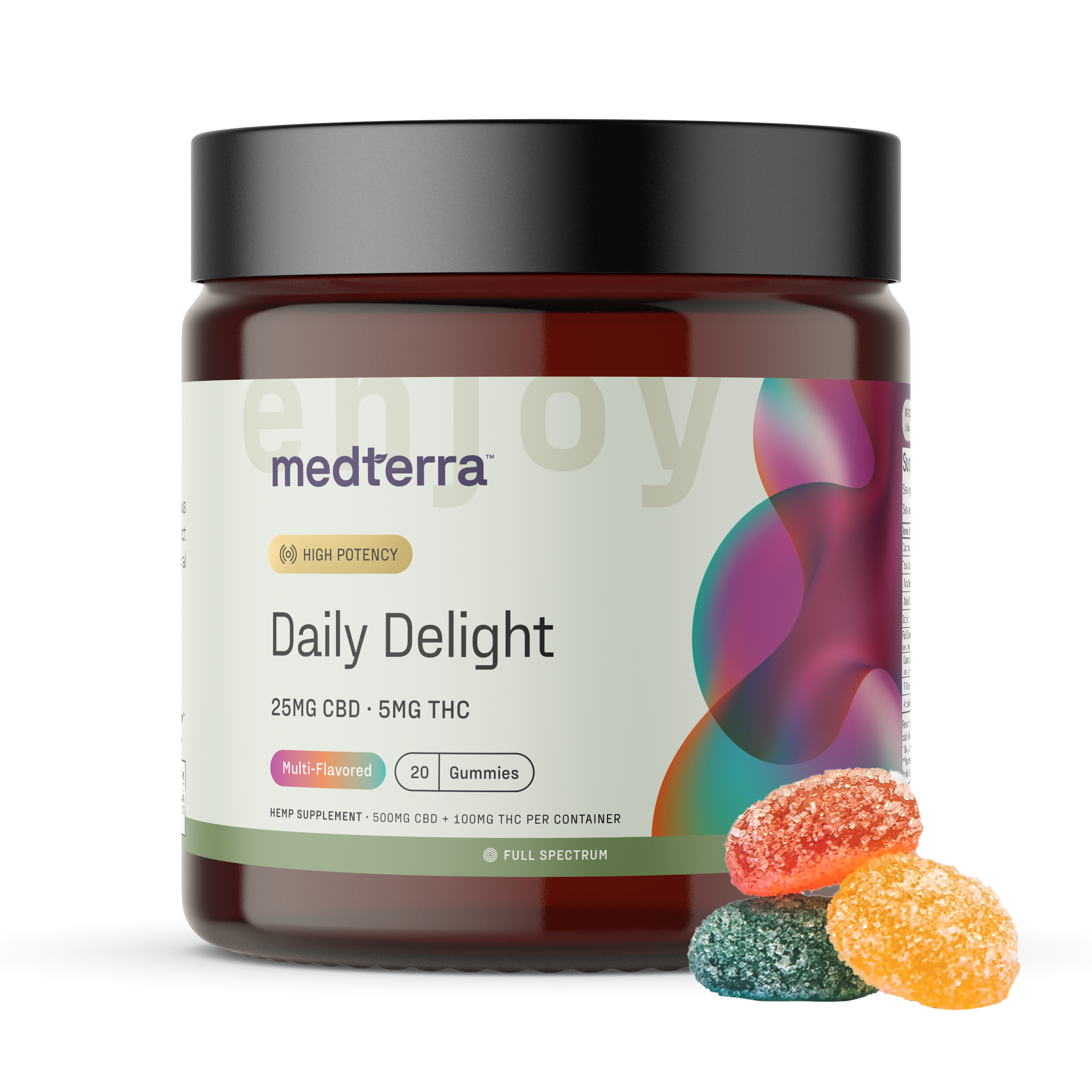
| |  | | | | Why coffee might protect your heart rhythm | | The DECAF (Does Eliminating Coffee Avoid Fibrillation?) trial studied 200 adults with persistent atrial fibrillation across hospitals in the United States, Australia, and Canada. All were regular coffee drinkers, averaging about one cup daily, who had undergone cardioversion, a treatment that uses electrical impulses to shock the heart back into a regular rhythm. | | Half continued drinking coffee daily, while the other half quit completely, avoiding even decaf coffee and all other caffeinated products. Over a 6-month period, researchers tracked any AFib or atrial flutter episodes lasting at least 30 seconds, confirmed by ECG or cardiac monitoring devices. | | The results showed that 47% of coffee drinkers experienced a recurrence of AFib, compared with 64% of abstainers. That translates to a 39% lower risk for the coffee group. And the benefit appeared to grow over time — the longer people drank coffee, the greater the gap between the groups. | | Dr. Gregory Marcus, the cardiologist who led the study at UC San Francisco, put it plainly: "For people that enjoy drinking caffeinated coffee, they should not avoid it for fear that it's going to worsen their atrial fibrillation." | | 💭 Why might it work? | | Caffeine is known to block adenosine receptors, which is one of the ways it makes you feel more alert. Adenosine is a naturally occurring chemical in the body that makes you feel drowsy. It's part of how the body regulates energy and sleep cycles, but it's also known to provoke AFib. | | Coffee also contains anti-inflammatory compounds, such as chlorogenic acids and melanoidins. Since inflammation is a risk factor for AFib, these compounds may protect heart tissue from the conditions that promote irregular heartbeats. | | There's also another possibility: Coffee drinkers in an earlier trial walked approximately 1,000 more steps per day than nondrinkers. Physical activity reduces AFib recurrence, so increased movement may partially explain coffee's benefit. | | ⚠️ Before you order a double espresso… | | The DECAF trial looks like strong evidence in favor of coffee not worsening AFib, but it has some limitations. First, the study wasn't blinded, meaning both patients and doctors knew who drank coffee. Participants were primarily white (80%) and male (71%), with an average age of 69, so the findings may not be applicable broadly. | | Some potential participants refused to join because they believed coffee worsened their AFib, raising a question about whether the trial excluded people who respond poorly to caffeine. | | However, separate research suggests this belief stems more from conventional wisdom than actual experience. | | ☕ What this could mean for you | | If you have AFib and enjoy coffee, this research challenges the conventional wisdom to avoid it entirely, suggesting instead that your morning cup likely won't trigger episodes and might even lower your risk. | | If your doctor previously advised avoiding coffee because of your AFib, you could talk about the DECAF trial results at your next appointment. As Dr. Rod Passman from Northwestern University noted, "For many patients with AFib, a cup of coffee is an integral part of their routine. We need more data if we are going to tell people to give up the things they like." | | | | 💨 Over to you: Do you avoid coffee because you have been diagnosed with AFib and advised against it? Does this new research change your mind? Email wellnesswire@healthline.com and let us know. | | | | | | | | Sponsored by | | | | | | Delightful indeed | | | | | | | 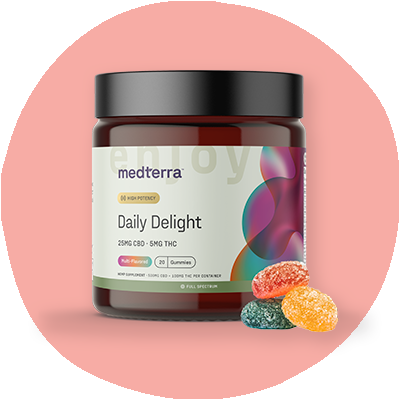 | | Medterra Daily Delight Hemp Gummies | | Step away from your stressors and experience relief with Medterra's Daily Delight gummies. Each gummy contains 33 milligrams (mg) of full-spectrum hemp, including 5 mg of THC and 25 mg of CBD, and comes in a mix of flavors — lemon, orange, raspberry, and blue raspberry. The best part? They're vegan, organic, and gluten-free. Get 50% off and free shipping with code NEWMT50 + SHIPFREE. | | | Every product we recommend has gone through either Healthline's or Optum Now's vetting processes. If you buy through links on this page, we may receive a small commission or other tangible benefit. Healthline has sole editorial control over this newsletter. Potential uses for the products listed here are not health claims made by the manufacturers. Healthline and Optum Now are owned by RVO Health. | | | | | | | | | | | |   | | | | | | | | Until next time, |  | Take care of yourself, and we'll see
you again soon! | | |  | | |  | | This edition was powered by | | a mug of jiaogulan tea. | | | | | | | | View in browser
Did a friend send you this email? Subscribe here.
To see all newsletters, click here.
Privacy | Unsubscribe
We may feature your messages to our inbox within our content. Please do not provide any personal identifiable information. Replies may be edited for length and clarity. For more, see our Privacy Policy.
Our website services, content, and products are for informational purposes only. Healthline does not provide medical advice, diagnosis, or treatment and should not be used as a substitute for medical advice from a healthcare professional. Healthline encourages you to make any treatment decisions with your healthcare professional.
Every product we recommend has gone through either Healthline's or Optum Now's vetting processes. If you buy through links on this page, we may receive a small commission or other tangible benefit. Healthline has sole editorial control over this newsletter. Potential uses for the products listed here are not health claims made by the manufacturers. Healthline and Optum Now are owned by RVO Health.
© 2025 RVO Health
1101 Red Ventures Drive
Fort Mill, SC 29707 | | | | |   | | |
| |




No comments:
Post a Comment