Bare feet, big claims — can grounding really recharge your health?
͏ ͏ ͏ ͏ ͏ ͏ ͏ ͏ ͏ ͏ ͏ ͏ ͏ ͏ ͏ ͏ ͏ ͏ ͏ ͏ ͏ ͏ ͏ ͏ ͏ ͏ ͏ ͏ ͏ ͏ ͏ ͏ ͏ ͏ ͏ ͏ ͏
| | | Sponsored by | |  | | | | |
 The human body is all about electricity. Billions of tiny impulses run up and down our neurons, contract our muscles, and keep our hearts ticking decade after decade. We're electrical beings living in a world of digital devices, bathed in waves of electromagnetic radiation from our phones, electric vehicles, and all the other tech that surrounds us. | | Some people have hypothesized that it might be beneficial to occasionally shed excess energy and literally touch grass by walking on it barefoot. It's called "grounding," and despite the woo-woo feel, it's not entirely without scientific backing, as we'll discover today. | | | | | | | Let's look into it!
Tim Snaith
Newsletter Editor, Healthline |  | | Written by Tim Snaith
November 12, 2025 • 4 min read | | | | | | | |
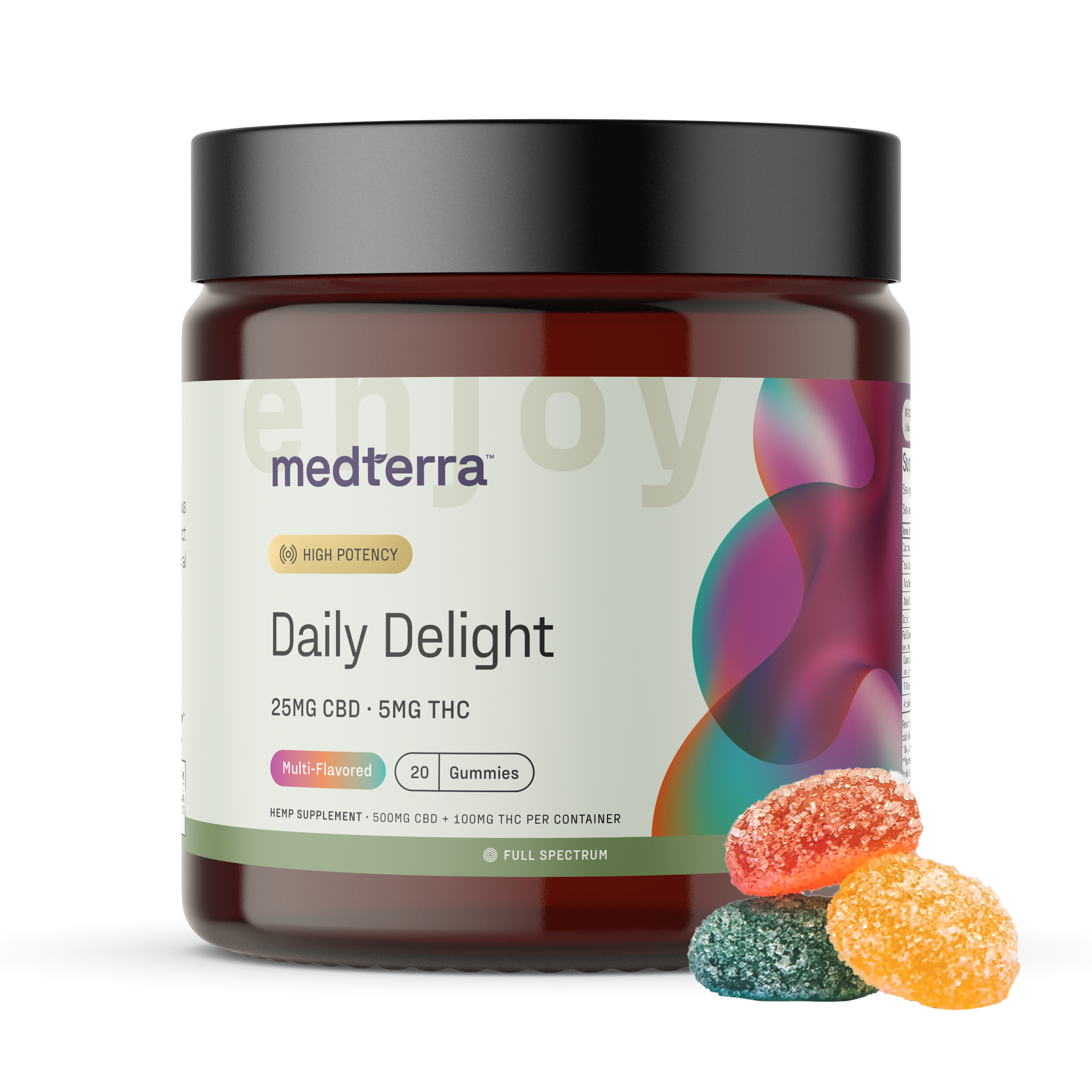
| |  | | | | Grounding: Real benefits or wellness myth? | | The theory behind grounding relies on the fact that the Earth's surface has a negative electrical charge relative to the atmosphere. Scientists have known this for well over a century. | | When your bare skin makes direct contact with soil, grass, or sand, grounding fans argue that free electrons flow from the ground into your body. These electrons, in theory, act as antioxidants — neutralizing free radicals and reducing inflammation at the cellular level. We know electrons from dietary antioxidants deactivate free radicals. The question is whether electrons absorbed through your feet can do the same thing? | | What the science says | | A 2018 study involving 16 massage therapists found that 4 weeks of grounding while they worked reduced multiple stress biomarkers, including a drop in heart rate, respiratory rate, and reported stress. A follow-up study with a similar group also found that after 4 weeks of grounding therapy, pain, stress, depression, and fatigue were all decreased. | | Some of the most compelling evidence comes from a recent study of 21 people with diabetes. One hour of daily grounding for a month accelerated wound healing, which is significant because diabetic wounds are notoriously slow to heal. Improved blood flow and reduced inflammation around the wound site were thought to be the cause. | | However, these studies involved only a few dozen people each, and mostly relied on self-reported outcomes, which are susceptible to placebo effects. None of the studies controlled for variables such as stress from work environment changes, improved sleep hygiene, or simply the relaxation that comes from engaging in a health practice. | | So, though the evidence for grounding is disputable, it is something you can try at home to see if it works for you. | | If you want to try grounding, start simple! | | Since most of us can't realistically spend all day barefoot outdoors, grounding mats for "indoor earthing" have become the practical alternative. These devices plug into the ground port of a standard electrical outlet. Place the mat under your bare feet at your desk, on your bed, or anywhere your skin makes contact. | | A 2004 study found that sleeping grounded improved sleep quality and reduced cortisol, the stress hormone. Participants using grounding mats reported falling asleep faster, experiencing less nighttime pain, and waking with more energy. | | If you have access to an outdoor green space, take off your shoes and walk on grass or sand for 20 to 40 minutes (when the weather permits). That's really all there is to it. | | If you decide to invest in a grounding mat, start with 10 to 40 minutes of daily use, and look out for subtle changes over weeks, not days. Keep your expectations modest in line with the evidence. These aren't FDA-approved medical devices, and they won't cure chronic conditions. | | But if the idea of reconnecting with the earth's electrical field appeals, there's enough preliminary evidence to make the experiment worthwhile. | | | | 💨 Over to you: Would you consider trying grounding? Maybe you're already a dedicated grounder? Email wellnesswire@healthline.com and let us know. | | | | | | | | Sponsored by | | | | | | Delightful indeed | | | | | | | 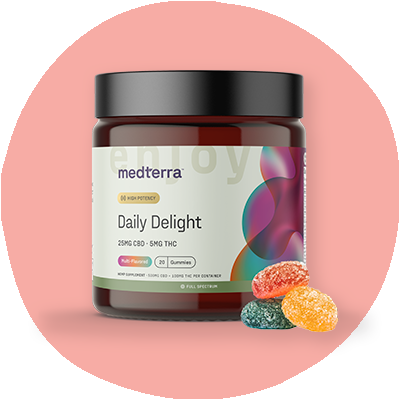 | | Medterra Daily Delight Hemp Gummies | | Step away from your stressors and experience relief with Medterra's Daily Delight gummies. Each gummy contains 33 milligrams (mg) of full-spectrum hemp, including 5 mg of THC and 25 mg of CBD, and comes in a mix of flavors — lemon, orange, raspberry, and blue raspberry. The best part? They're vegan, organic, and gluten-free. Get 50% off and free shipping with code NEWMT50 + SHIPFREE. | | | Every product we recommend has gone through either Healthline's or Optum Now's vetting processes. If you buy through links on this page, we may receive a small commission or other tangible benefit. Healthline has sole editorial control over this newsletter. Potential uses for the products listed here are not health claims made by the manufacturers. Healthline and Optum Now are owned by RVO Health. | | | | | | | | | | | |   | | | | | | | | Until next time, |  | Take care of yourself, and we'll see
you again soon! | | |  | | |  | | This edition was powered by | | a good night's sleep. | | | | | | | | View in browser
Did a friend send you this email? Subscribe here.
To see all newsletters, click here.
Privacy | Unsubscribe
We may feature your messages to our inbox within our content. Please do not provide any personal identifiable information. Replies may be edited for length and clarity. For more, see our Privacy Policy.
Our website services, content, and products are for informational purposes only. Healthline does not provide medical advice, diagnosis, or treatment and should not be used as a substitute for medical advice from a healthcare professional. Healthline encourages you to make any treatment decisions with your healthcare professional.
Every product we recommend has gone through either Healthline's or Optum Now's vetting processes. If you buy through links on this page, we may receive a small commission or other tangible benefit. Healthline has sole editorial control over this newsletter. Potential uses for the products listed here are not health claims made by the manufacturers. Healthline and Optum Now are owned by RVO Health.
© 2025 RVO Health
1101 Red Ventures Drive
Fort Mill, SC 29707 | | | | |   | | |
| |




No comments:
Post a Comment