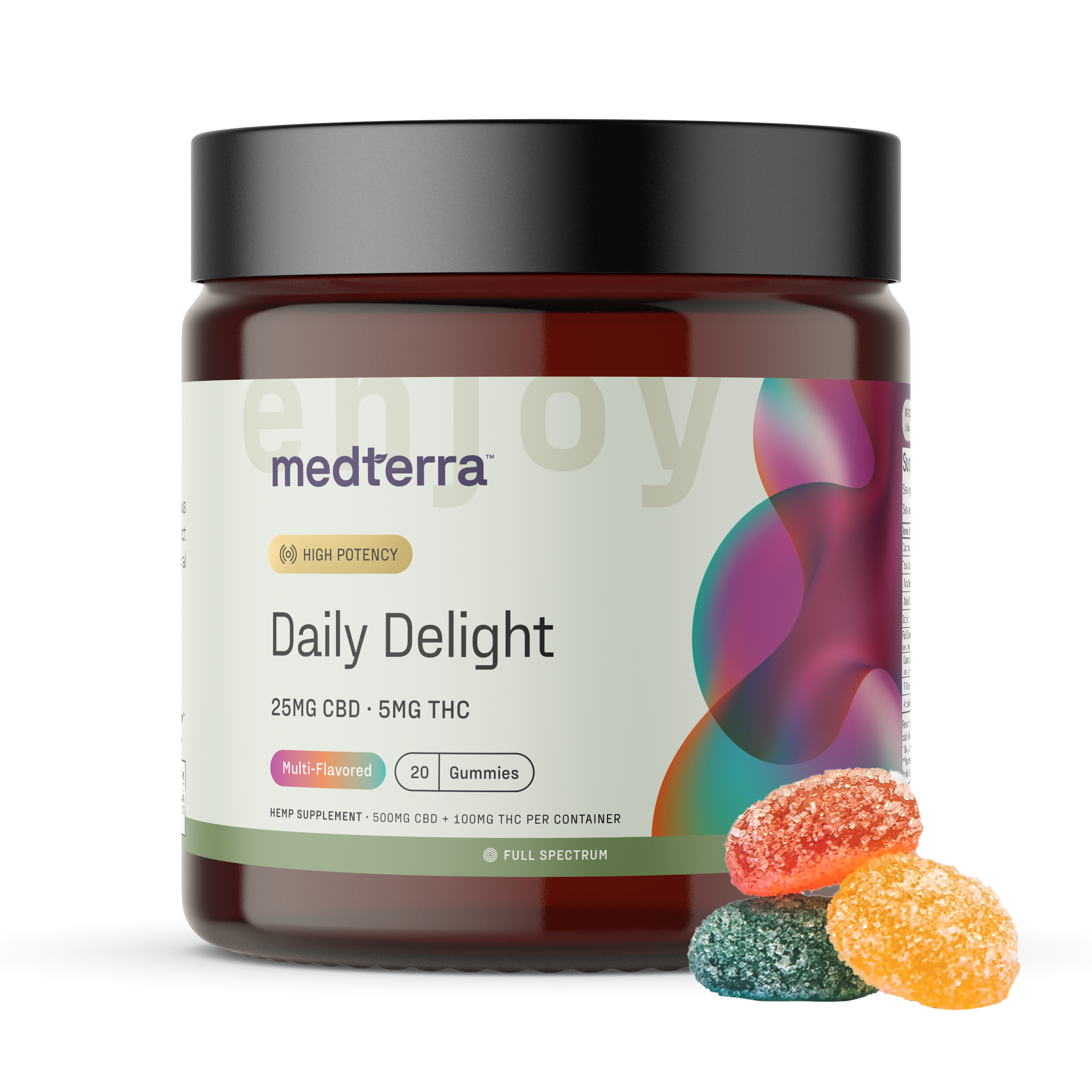
| |  | | | | Copper: A nutrient with a narrow sweet spot | | Copper is often overlooked, yet it plays a crucial role in brain function, immune health, energy production, and even vision. New research reveals a precise sweet spot: Older adults who consume 1.2 to 1.6 milligrams (mg) of copper daily show better cognitive function, particularly in processing speed and memory. | | Researchers analyzed data from 2,420 adults to assess their dietary copper intake and test their cognitive function. People in the top quartile for copper intake scored higher on cognitive tests. But the relationship wasn't linear. The benefits reached a peak at a certain level and then leveled off. The optimal intake was 1.63 mg daily for processing speed, 1.42 mg for verbal fluency, and 1.22 mg for overall cognition. Additional copper intake provided no advantage. | | Dr. Thomas Holland, physician-scientist at the RUSH Institute for Healthy Aging, explained copper's role: "It supports energy metabolism, neurotransmitter synthesis, and antioxidant defenses. One enzyme in particular, superoxide dismutase, relies on copper to neutralize harmful free radicals that can damage brain tissue." | | Beyond the brain | | Copper supports multiple body systems. It helps metabolize iron, produce energy, build connective tissues, balance the hormones that regulate nerve cell function, and develop new blood vessels. | | On the subject of blood, did you know that octopuses evolved to use copper-based hemocyanin instead of iron-based hemoglobin? That's why their blood runs blue rather than red. We may not use copper in our blood like them, but we do rely on it for immune function. Lack of copper leads to neutropenia, a deficiency in the neutrophils (the white blood cells that play a crucial role in fighting infections). | | Don't overdo it! | | The recommended dietary allowance is 0.9 mg daily for adults, with an upper limit of 10 mg. Exceeding this threshold can lead to copper toxicity, which is rare but serious. | | Copper deficiency is equally rare in the U.S. Signs include extreme fatigue, lighter skin patches, an increased risk of infection, and even loss of vision. People with celiac disease or those taking excessive zinc supplements face a higher risk, as zinc interferes with copper absorption. | | How to get enough copper | | A varied, whole-food diet provides adequate copper without risk of excess. | | 🦪 Shellfish, such as oysters, crab, and lobster, rank among the richest sources. | | 🐄 Organ meats, particularly liver, provide exceptional amounts. | | 🌱 For plant-based diets, mushrooms, nuts and seeds, whole grains, and legumes are excellent alternatives. | | 🍫 Best of all, dark chocolate with 70%+ cocoa provides significant copper — a single ounce delivers roughly 0.5 mg. | | Understanding copper's role matters more as we age, when protecting cognitive function becomes a priority. Every mineral, every micronutrient contributes to the complex system that keeps our minds sharp and our memories intact, even the less well-known ones. | | | | Over to you: Have you looked into taking a supplement to boost your brain power as you age? Email wellnesswire@healthline.com and let us know. | | | | | | | | Sponsored by | |  | | | | | | |  | | | Find your calm with Medterra | | Cannabidiol (CBD) is an active compound found in cannabis. It may have several health benefits, such as relieving general pain and supporting mental health and sleep. There are lots of CBD products on the market — some of which are low quality — which is why choosing the right one is so important. | | Whether you need a little extra support with sleep, focus, mood, or just relaxing in your daily life, Medterra is here to help. Find gummies, tinctures, capsules, topicals, and full-spectrum, broad-spectrum, and isolate CBD, all third-party tested and made with natural ingredients. Don't do CBD? Don't worry — there are CBD-free products available, too. Get 50% off and free shipping with code NEWMT50 + SHIPFREE. | | | | | | | |   | | | | | | | | Until next time, |  | Take care of yourself, and we'll see
you again soon! | | |  | | |  | | This edition was powered by | | too much chocolate. | | | | | | | | View in browser
Did a friend send you this email? Subscribe here.
To see all newsletters, click here.
Privacy | Unsubscribe
We may feature your messages to our inbox within our content. Please do not provide any personal identifiable information. Replies may be edited for length and clarity. For more, see our Privacy Policy.
Our website services, content, and products are for informational purposes only. Healthline does not provide medical advice, diagnosis, or treatment and should not be used as a substitute for medical advice from a healthcare professional. Healthline encourages you to make any treatment decisions with your healthcare professional.
Every product we recommend has gone through either Healthline's or Optum Now's vetting processes. If you buy through links on this page, we may receive a small commission or other tangible benefit. Healthline has sole editorial control over this newsletter. Potential uses for the products listed here are not health claims made by the manufacturers. Healthline and Optum Now are owned by RVO Health.
© 2025 RVO Health
1101 Red Ventures Drive
Fort Mill, SC 29707 | | | | |   | | |
| |




No comments:
Post a Comment