Good ingredients, bad ingredients, and more.
  |
͏ ͏ ͏ ͏ ͏ ͏ ͏ ͏ ͏ ͏ ͏ ͏ ͏ ͏ ͏ ͏ ͏ ͏ ͏ ͏ ͏ ͏ ͏ ͏ ͏ ͏ ͏ ͏ ͏ ͏ ͏ ͏ ͏ ͏ ͏ ͏ ͏ ͏ ͏ ͏ ͏ ͏ ͏
| | Sponsored by |  |  | | | | | | | Q | | What should I look for in a vaginal moisturizer or lubricant? | | | | A | | First, vaginal moisturizers and lubricants are different products (check out last week's newsletter to read up on the differences).
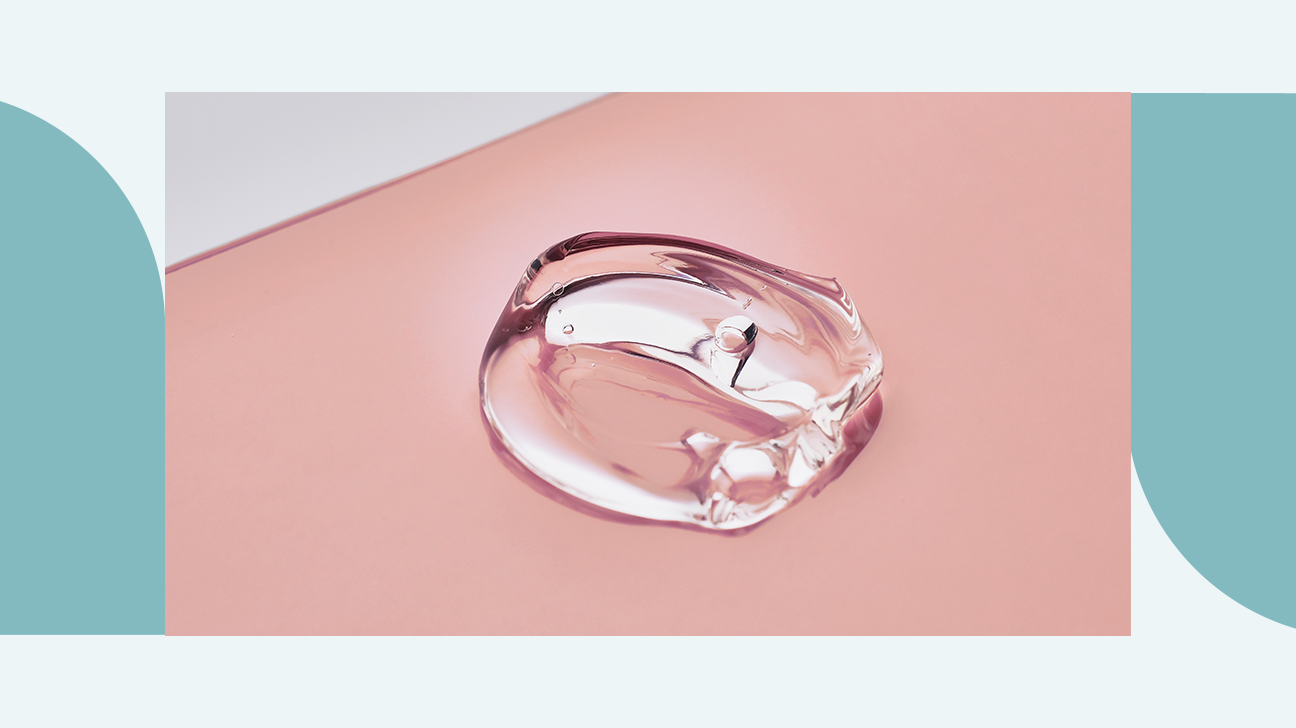
When shopping for a vaginal moisturizer, look for these safe and effective ingredients: - Hyaluronic acid is a star ingredient that has demonstrated positive results in relieving vaginal dryness, especially when used three to five times per week.
- Polycarbophil works well for treating vaginal dryness and may be particularly helpful for reducing pain during sex, studies show.
- Polyacrylic acid is a newer ingredient with promising results. In one study of women with breast cancer taking tamoxifen, those using polyacrylic acid saw their sexual dysfunction drop from 96% to just 24%.
Lubricants are often silicone- or water-based: - Silicone-based products don't dry out like some water-based options, are compatible with condoms but not with sex toys, and some studies have shown they provide greater symptom relief compared to water-based lubricants.
- Water-based products are generally safe and compatible with condoms and sex toys, though they may dry out more quickly during use, which can cause friction.
Some ingredients, however, may worsen symptoms: - Parabens and propylene glycol can irritate sensitive vaginal tissue and cause more discomfort.
- Chlorhexidine gluconate kills harmful bacteria, but it also reduces the growth of beneficial vaginal bacteria. You should generally avoid regular use of products containing it.
- Nonoxynol-9 is a spermicide that can be toxic to vaginal cells. You should avoid it unless you specifically need contraception (and even then, better options are available).
- High-osmolality products can damage vaginal tissue. (Osmolality refers to the concentration of particles in a solution and only applies to water-based products.) Those with very high osmolality pull water from your cells, potentially causing irritation and inflammation. Look for products at or below 1,200 mOsm/kg, which aligns with World Health Organization (WHO) guidelines.
Food-grade oils, such as coconut oil, are affordable alternatives to commercial moisturizers. Research on coconut oil shows that it doesn't inhibit the growth of beneficial vaginal bacteria as much as some commercial products. However, oil-based products can break down latex condoms and cause condom failure.
There's no one-size-fits-all solution. Don't be discouraged if the first product you try doesn't work perfectly. You may need to try several different products before finding the right one.
| | | | | | | | Do you have any questions for our menopause experts? Let us know at menopause@healthline.com, and the answer may be featured in an upcoming edition! | | | | | | | | | | | | | HEALTHY TIP | | Look for vaginal products with a lower pH | | Your vagina naturally maintains a pH around 3.5 to 4.5 in premenopause, which slightly increases after menopause. Choose products with pH values around or within this range, or with a pH "body-similar" to yours. These selections are less likely to cause irritation, dryness, and upset the healthy bacterial balance in your vagina. | | | | | | | |   | |  | | | | We may feature your messages to our inbox within our content. Please do not provide any personal identifiable information. Replies may be edited for length and clarity. For more, see our Privacy Policy. | Healthline, Optum Now, and their respective logo(s) are trademarks of RVO Health, LLC.
All other trademarks are the property of their respective owners.
© 2026 RVO Health, LLC. All Rights Reserved.
1101 Red Ventures Drive, Fort Mill, SC, 29707 | | | |







No comments:
Post a Comment