💪
  |
͏ ͏ ͏ ͏ ͏ ͏ ͏ ͏ ͏ ͏ ͏ ͏ ͏ ͏ ͏ ͏ ͏ ͏ ͏ ͏ ͏ ͏ ͏ ͏ ͏ ͏ ͏ ͏ ͏ ͏ ͏ ͏ ͏ ͏ ͏ ͏ ͏ ͏ ͏ ͏ ͏ ͏ ͏
| | | | | Q | | What are the best ways to protect and maintain bone health during perimenopause? | | | | A | | Generally speaking, it's best to take a multifaceted approach that combines lifestyle modification, nutritional optimization, risk assessment, and, when appropriate, pharmacologic intervention.
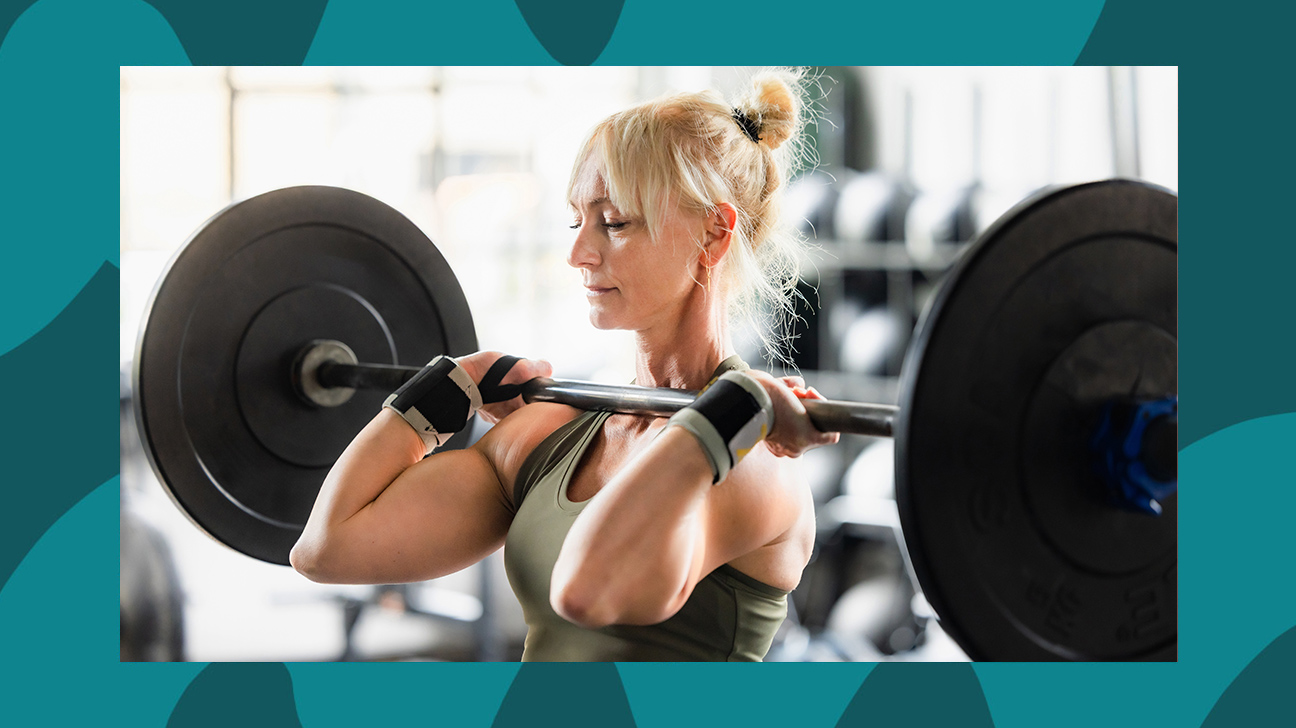
Weight-bearing and resistance exercises are foundational for bone health, as they stimulate bone formation and help preserve bone mineral density. Examples include brisk walking, jogging, stair climbing, and strength training.
Nutrition plays a critical role in bone health as well. Adequate intake of calcium (typically 1200 milligrams (mg) per day for females over 50) and vitamin D (600 IU per day for people over 50 and 800 IU per day for people over 70) is recommended to support bone mineralization. It's best to get these nutrients through a balanced diet. Calcium-rich foods include dairy products, leafy greens, boney fish, and fortified foods. But supplementation may be necessary to meet your needs.
Quitting smoking and limiting alcohol is also essential. Smoking accelerates bone loss, while high alcohol consumption increases fracture risk. Aim to limit alcohol to no more than two drinks per day and avoid tobacco use.
Risk assessment is important for identifying people at higher risk of osteoporosis or fracture. Consider having your bone mineral density tested before the standard screening age of 65 if you have additional risk factors, such as family history, low body weight, or previous fractures.
Pharmacologic therapy may also be considered for people at elevated risk. Menopausal hormone therapy (MHT) is effective in maintaining bone mineral density and reducing fracture risk, particularly in people younger than 60 or within 10 years of menopause who have no contraindications. | | | | | | | | Do you have any questions for our menopause experts? Let us know at menopause@healthline.com, and the answer may be featured in an upcoming edition! | | | | | | | | | | | HEALTHY TIP | | Make sure to get adequate vitamin D | | Did you know that your body needs vitamin D to absorb calcium efficiently? Consider adding vitamin D-rich foods to your diet, such as fatty fish, egg yolks, and mushrooms. Supplementation can also help you meet your daily vitamin D requirements. | | | | | | | | | |   | |  | | | | We may feature your messages to our inbox within our content. Please do not provide any personal identifiable information. Replies may be edited for length and clarity. For more, see our Privacy Policy. | Healthline, Optum Now, and their respective logo(s) are trademarks of RVO Health, LLC.
All other trademarks are the property of their respective owners.
© 2025 RVO Health, LLC. All Rights Reserved.
1101 Red Ventures Drive, Fort Mill, SC, 29707 | | | |





No comments:
Post a Comment